A shoulder dislocation can damage the structures responsible for keeping the shoulder joint stable. One of the most common injuries after a shoulder dislocation is a Bankart lesion, where the labrum (a cartilage structure around the shoulder socket) gets torn.
When this injury causes repeated shoulder instability or recurrent dislocations, Bankart repair surgery may be recommended to restore stability and prevent future episodes.
Dr. Chintan Desai, an experienced shoulder surgeon in Mumbai, explains how Bankart repair surgery for shoulder dislocation works, who needs it, and what patients can expect during recovery.
What is Bankart Repair Surgery?
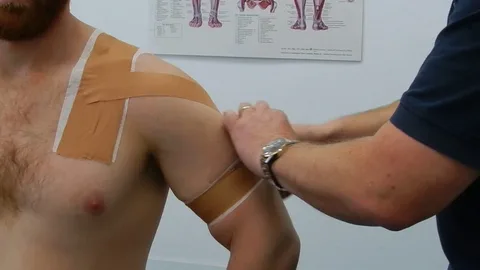
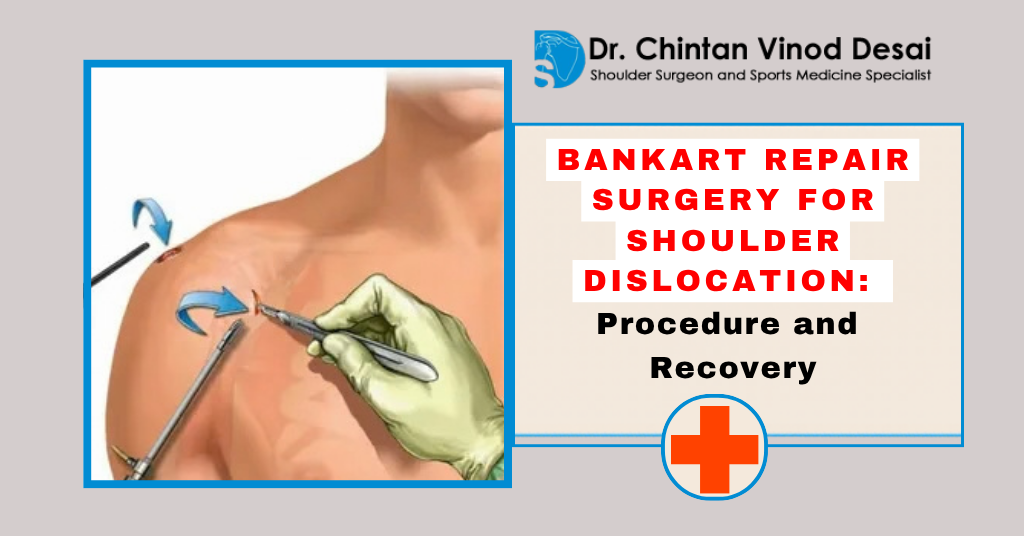
Bankart repair is a shoulder stabilization procedure performed to repair a torn labrum and restore the normal stability of the shoulder joint.
The labrum acts like a cushion around the shoulder socket and helps keep the ball of the upper arm bone securely positioned. During a shoulder dislocation, this cartilage can detach from the socket, reducing shoulder stability.
During Bankart repair surgery, the detached labrum and stretched ligaments are reattached to the edge of the socket using small surgical anchors.
The goal of the procedure is to:
- Restore shoulder stability
- Prevent repeated dislocations
- Reduce pain and apprehension
- Help patients return to normal activities and sports
What is a Bankart Lesion?
A Bankart lesion occurs when the lower front portion of the shoulder labrum tears after an anterior shoulder dislocation.
This injury is commonly seen in:
- Young athletes
- Contact sports players
- Patients with recurrent shoulder dislocations
- Individuals involved in high-demand activities
Without proper treatment, the torn labrum may not heal correctly, increasing the chances of repeated shoulder instability.
Who Needs Bankart Repair Surgery?
Bankart repair may be recommended for patients who have:
- Recurrent shoulder dislocations
- Repeated episodes of shoulder slipping or instability
- A confirmed Bankart lesion on MRI
- Difficulty participating in sports due to fear of dislocation
- Failed improvement with physiotherapy
- Shoulder instability affecting daily activities
The decision for surgery depends on factors such as:
- Age
- Activity level
- Number of dislocation episodes
- Shoulder damage
- Bone loss around the joint
How is Bankart Repair Surgery Performed?
Bankart repair is commonly performed using shoulder arthroscopy, a minimally invasive technique that uses a small camera and specialized instruments.
1. Anaesthesia
The procedure is performed under anaesthesia to ensure patient comfort during surgery.
2. Arthroscopic Evaluation
Small incisions are made around the shoulder. A tiny camera called an arthroscope is inserted to visualize:
- Torn labrum
- Ligament condition
- Cartilage damage
- Bone defects
3. Labrum Preparation
The damaged area of the socket is prepared to encourage proper healing of the repaired tissue.
4. Anchor Placement
Small surgical anchors are inserted into the edge of the shoulder socket.
The torn labrum and ligaments are then secured back into their original position using sutures.
5. Closure
The small incisions are closed, and the shoulder is placed in a sling for protection.
Arthroscopic Bankart Repair vs Open Stabilization Surgery
Arthroscopic Bankart Repair
Advantages include:
- Smaller incisions
- Less soft tissue damage
- Reduced post-operative pain
- Faster early recovery
- Better visualization of the joint
Open Stabilization Surgery
Open procedures may be considered in specific situations, such as:
- Significant bone loss
- Failed previous stabilization surgery
- High-risk instability cases
Your surgeon decides the most suitable procedure based on your shoulder condition.
Benefits of Bankart Repair Surgery
Successful Bankart repair can help:
- Improve shoulder stability
- Prevent recurrent dislocation
- Restore confidence during movement
- Improve shoulder function
- Allow return to sports and activities
For patients with a suitable indication, stabilization surgery can significantly reduce the risk of future shoulder instability.
Recovery After Bankart Repair Surgery
Recovery after Bankart repair surgery happens gradually and requires proper rehabilitation.
First Few Weeks After Surgery
During the initial recovery phase:
- The arm is supported in a sling
- Gentle movements are started as advised
- Pain and swelling are managed
- Shoulder protection is important for healing
6 Weeks After Surgery
At this stage:
- Range of motion exercises are gradually increased
- Sling use is reduced based on healing
- Physiotherapy focuses on restoring shoulder movement
3 Months After Surgery
Rehabilitation focuses on:
- Strengthening shoulder muscles
- Improving stability
- Increasing functional movements
4–6 Months After Surgery
Many patients gradually return to:
- Daily activities
- Fitness routines
- Sports-specific training
Return to contact sports or high-demand activities depends on shoulder strength, stability, and surgeon guidance.
Physiotherapy After Bankart Repair
Physiotherapy plays an important role in successful recovery.
A rehabilitation program may include:
Early Phase
- Protection of the repaired tissue
- Gentle mobility exercises
Intermediate Phase
- Improving shoulder range of motion
- Strengthening rotator cuff muscles
Advanced Phase
- Functional training
- Sports-specific exercises
- Improving shoulder control and confidence
Following the rehabilitation plan helps achieve better long-term outcomes.
Risks and Complications of Bankart Repair Surgery
Like any surgical procedure, Bankart repair has certain risks, including:
- Infection
- Shoulder stiffness
- Nerve irritation
- Persistent instability
- Recurrent dislocation
- Limited range of motion
Following post-operative instructions and completing rehabilitation can help reduce complications.
How Successful is Bankart Repair Surgery?
Bankart repair surgery has shown good results in appropriately selected patients.
Outcomes depend on:
- Extent of shoulder damage
- Presence of bone loss
- Patient age
- Activity level
- Compliance with rehabilitation
Patients without significant bone loss often achieve improved stability and return to their desired activities after proper recovery.
When Should You Consult a Shoulder Specialist?
You should seek evaluation if:
- Your shoulder has dislocated multiple times
- You feel your shoulder slipping out during movement
- You avoid activities due to fear of instability
- You have persistent pain after a shoulder injury
- Previous treatment has not prevented recurrence
Early assessment can help identify labral injuries and prevent further damage to the shoulder joint.
Is Bankart Repair Surgery Right for You?
The suitability of Bankart repair surgery for shoulder dislocation depends on the cause of instability.
It may be suitable for patients with:
- Labral tears without significant bone loss
- Recurrent shoulder instability
- Sports-related shoulder injuries
Patients with major bone defects may require alternative stabilization procedures.
Dr. Chintan Desai, a trusted shoulder surgeon in Mumbai, evaluates each patient using clinical examination and advanced imaging to recommend the most appropriate treatment approach.
Conclusion
A torn labrum after shoulder dislocation can lead to repeated instability and affect daily activities, sports, and quality of life. Bankart repair surgery helps restore the damaged stabilizing structures of the shoulder and reduces the risk of future dislocations.
With proper surgical technique, physiotherapy, and rehabilitation, many patients can regain shoulder stability and return to an active lifestyle.
For expert evaluation and personalized treatment options, consult Dr. Chintan Desai at Desai Shoulder Clinic for advanced care of shoulder dislocation and instability.