If you’ve recently undergone shoulder arthroscopy or are considering this minimally invasive procedure, you may be wondering about the recovery timeline. Shoulder arthroscopy is a popular procedure for treating a range of shoulder conditions, including rotator cuff tears, labral tears, and shoulder impingement. Although it is less invasive than traditional shoulder surgery, recovery still requires proper care and patience.
Dr. Chintan Desai, a leading shoulder surgeon in Mumbai, explains what you can expect during your recovery from shoulder arthroscopy and how to manage your rehabilitation effectively.
What is Shoulder Arthroscopy?
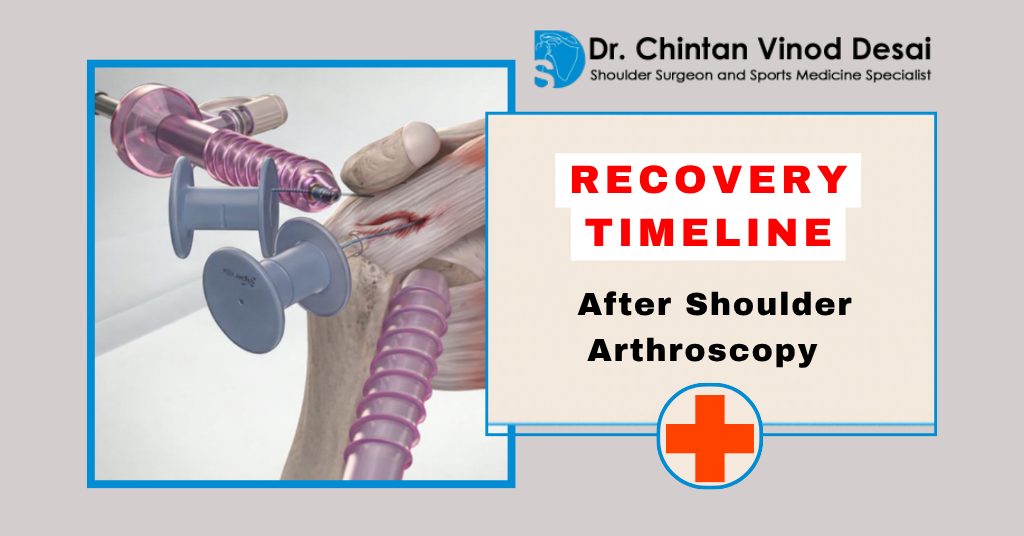
Shoulder arthroscopy is a minimally invasive procedure in which small incisions are made to insert a camera (arthroscope) and tiny instruments into the shoulder joint. It allows the surgeon to diagnose and treat various shoulder problems without the need for large incisions.
Conditions commonly treated with shoulder arthroscopy include:
- Rotator cuff tears
- Labral tears
- Shoulder impingement syndrome
- Chronic shoulder pain
- Loose bodies or cartilage damage
What to Expect During Recovery After Shoulder Arthroscopy
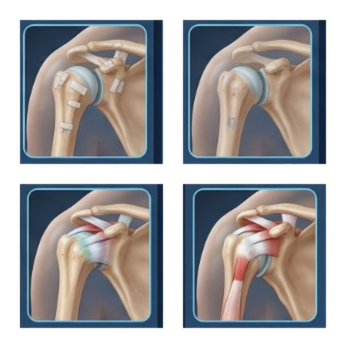
Shoulder arthroscopy typically offers a faster recovery compared to traditional shoulder surgery. However, the timeline can vary depending on the extent of the surgery and the individual’s overall health.
Phase 1: Immediate Post-Surgery (Week 1-2)
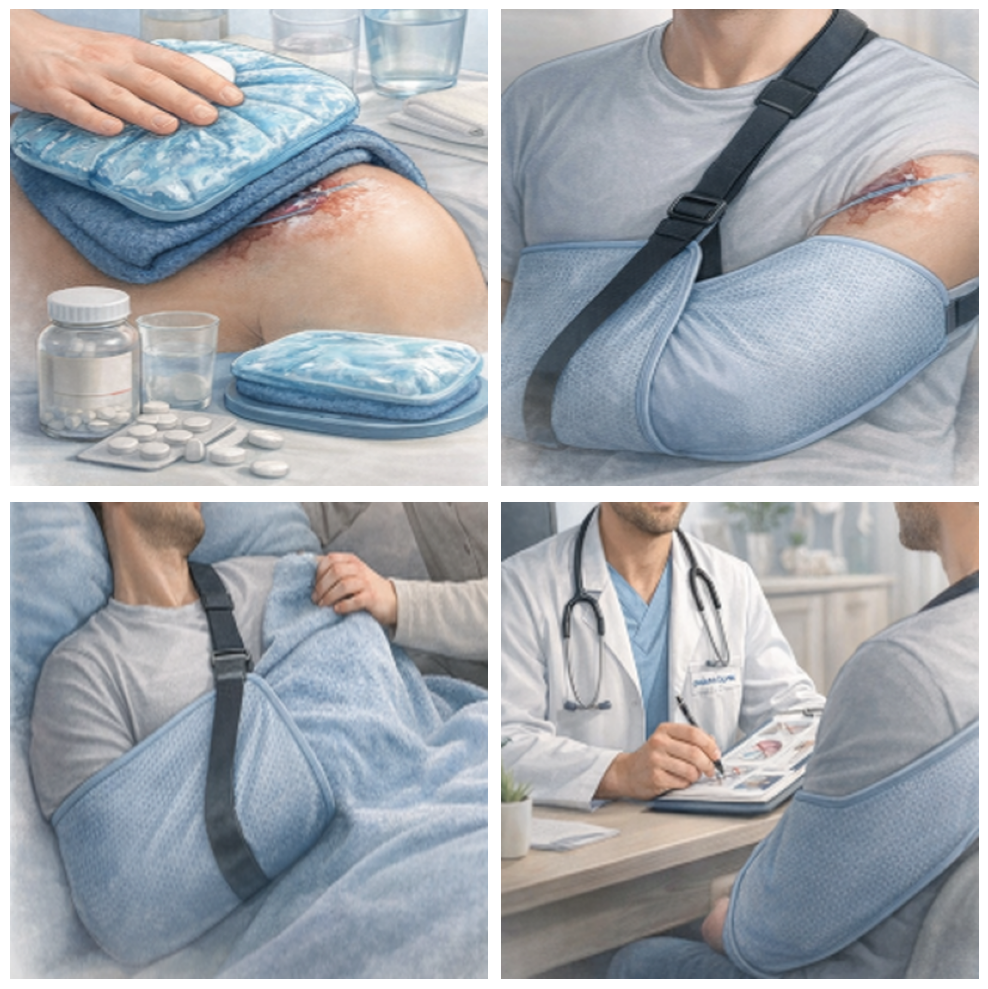
- Pain and Swelling: After the procedure, it’s normal to experience some pain, swelling, and discomfort. This can be managed with pain medications and ice packs.
- Arm Immobilization: You may be required to wear a sling to immobilize your arm for the first 1-2 weeks. This helps protect the shoulder while the initial healing process takes place.
- Rest: Rest is crucial during the first few days. Elevating your arm and avoiding excessive movement can aid in reducing swelling and promoting healing.
- Follow-Up Appointment: Your surgeon, Dr. Chintan Desai, will schedule a follow-up appointment to monitor your healing process and adjust your rehabilitation plan if needed.
Phase 2: Early Rehabilitation (Week 3-6)
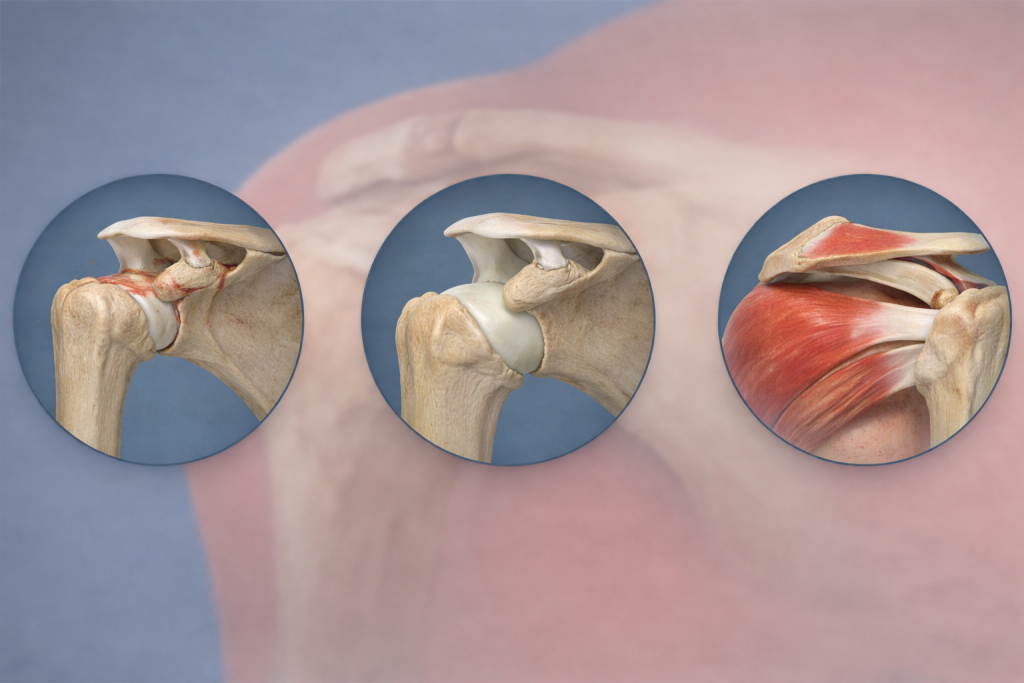
- Gradual Movement: After the first 2 weeks, you can begin gentle range-of-motion exercises under the guidance of your physical therapist. This helps prevent stiffness and improves shoulder mobility.
- Physical Therapy: Physical therapy typically begins in the 3rd week and focuses on restoring shoulder mobility and strength. Exercises will be adjusted based on your progress and tolerance.
- Sling-Free Period: Depending on your condition, you may be able to stop wearing the sling around the 3-week mark. However, your surgeon will provide specific guidance based on your recovery.
Phase 3: Strengthening and Increased Activity (Week 7-12)
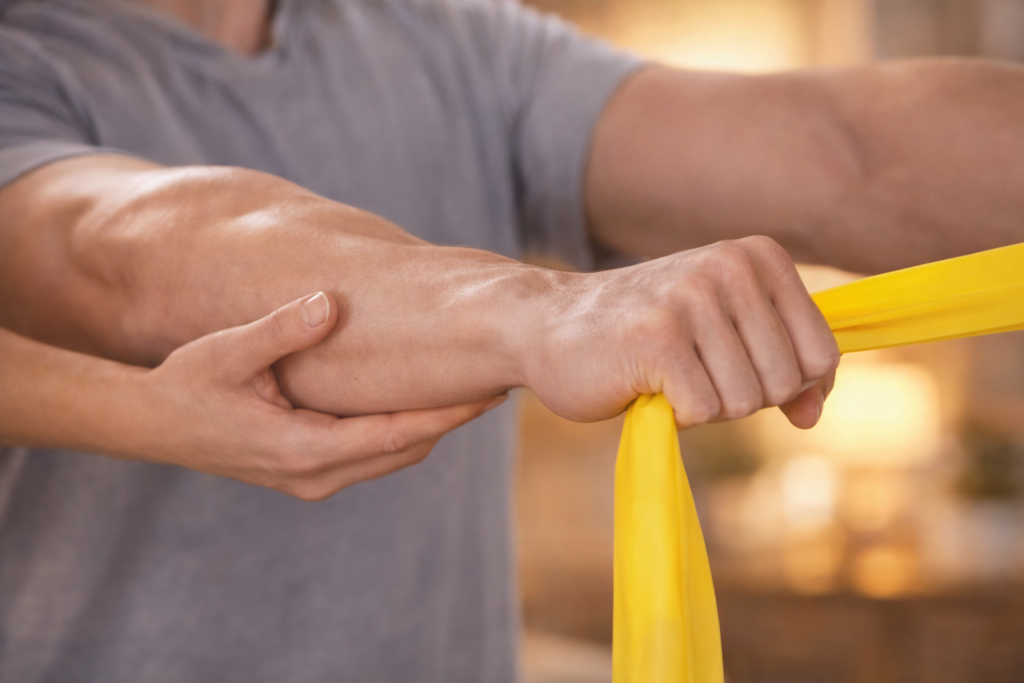
- Increasing Intensity: As healing progresses, your physical therapist will introduce strengthening exercises to help restore shoulder function. These exercises may include resistance bands, light weights, and other modalities to increase muscle strength.
- Return to Light Activities: Most patients can resume light activities, such as driving, office work, and simple household chores, by the 8-week mark. However, heavy lifting or overhead movements should still be avoided.
- Pain Reduction: Pain and swelling should gradually decrease as the muscles and tendons heal. Any residual discomfort can typically be managed with over-the-counter medications.
Phase 4: Full Recovery (3-6 Months)
- Gradual Return to Normal Activity: By the 3-6 month mark, most patients can return to more strenuous activities like sports or weightlifting. However, it’s important to gradually ease into these activities to prevent overuse injuries.
- Continued Physical Therapy: Some patients may continue physical therapy to further strengthen the shoulder and improve function. This is particularly important for athletes or individuals who perform heavy lifting as part of their job.
- Long-Term Results: Shoulder arthroscopy has a high success rate, and most patients experience significant pain relief and improved mobility. Full recovery may take up to 6 months, but by this time, you should be able to resume most of your regular activities.
Factors That Can Affect Your Recovery Time
Several factors can influence how quickly you recover from shoulder arthroscopy:
- Age and Overall Health: Younger, healthier individuals often heal faster. Chronic conditions like diabetes or smoking can slow down recovery.
- Extent of the Surgery: The complexity of the shoulder condition being treated (e.g., rotator cuff tears vs. simple labral repairs) can affect recovery time.
- Adherence to Physical Therapy: Following the prescribed physical therapy regimen and doing exercises at home can significantly speed up recovery.
Tips for a Successful Recovery
- Follow Post-Operative Instructions: Always follow your surgeon’s advice and guidelines for post-surgery care.
- Stay Consistent with Physical Therapy: Regular attendance at physical therapy appointments is critical to regaining strength and mobility.
- Avoid Overdoing It: Avoid heavy lifting, overhead movements, or any activity that could strain your shoulder during the first few weeks.
- Monitor for Complications: If you notice unusual pain, swelling, or signs of infection (e.g., redness or fever), contact your healthcare provider immediately.
Conclusion
Recovery from shoulder arthroscopy is generally quicker than traditional shoulder surgery, but it still requires dedication to physical therapy and proper care. If you’re considering shoulder arthroscopy or have recently undergone the procedure, it’s important to follow the recovery timeline and stay in touch with Dr. Chintan Desai, a trusted shoulder surgeon in Mumbai. His guidance can help ensure that you regain full shoulder function and enjoy pain-free movement in no time.For personalized advice or to book a consultation, visit Desai Shoulder Clinic.