When it comes to treating shoulder pain or injuries, there are two primary surgical options: shoulder arthroscopy and shoulder replacement. Both procedures are designed to alleviate pain and improve function, but they differ significantly in terms of approach, recovery time, and the types of conditions they treat.
If you’re considering shoulder surgery, understanding the differences between shoulder arthroscopy and shoulder replacement is essential. Dr. Chintan Desai, a leading shoulder surgeon in Mumbai, explains the pros and cons of each procedure to help you make an informed decision about which one is best for your condition.
What is Shoulder Arthroscopy?
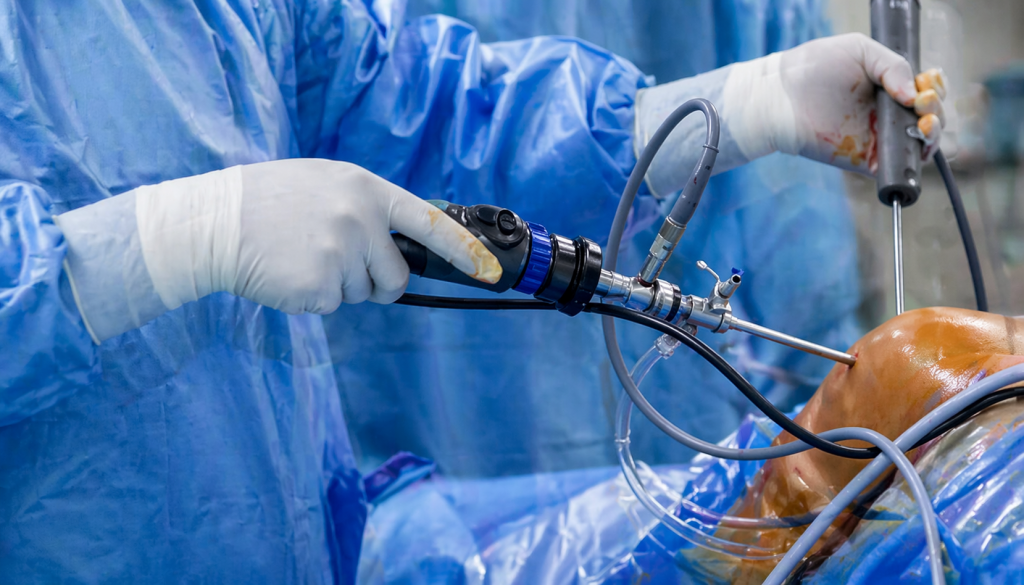
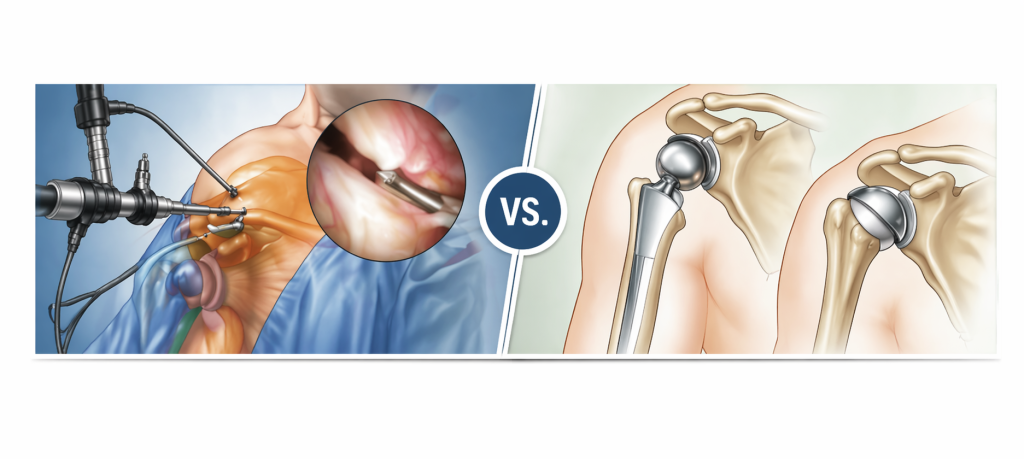
Shoulder arthroscopy is a minimally invasive surgical technique that uses small incisions and a camera (arthroscope) to visualize and treat problems within the shoulder joint. It is commonly used to treat conditions such as:
- Rotator cuff tears
- Labral tears
- Shoulder impingement
- Bursitis
- Chronic shoulder pain
During the procedure, the surgeon inserts the arthroscope into the shoulder joint through a small incision, allowing them to see the damage and make repairs using tiny surgical instruments. Because the incisions are small, shoulder arthroscopy typically requires a shorter recovery time compared to more invasive procedures.
Benefits of Shoulder Arthroscopy
- Minimally invasive: Small incisions reduce the risk of infection and tissue damage.
- Faster recovery: Recovery time is typically faster than open surgery.
- Less pain: Patients often experience less post-operative pain due to the minimally invasive nature of the procedure.
- Targeted treatment: Arthroscopy allows the surgeon to directly treat the damaged area without affecting surrounding tissues.
Risks of Shoulder Arthroscopy
- Incomplete resolution of complex conditions: Arthroscopy may not be suitable for patients with severe arthritis or large-scale rotator cuff tears.
- Nerve or vessel damage: While rare, there is a risk of damage to the nerves or blood vessels in the shoulder during the procedure.
- Frozen shoulder: In some cases, shoulder stiffness can develop after arthroscopic surgery, which may require additional treatment or therapy.
What is Shoulder Replacement?
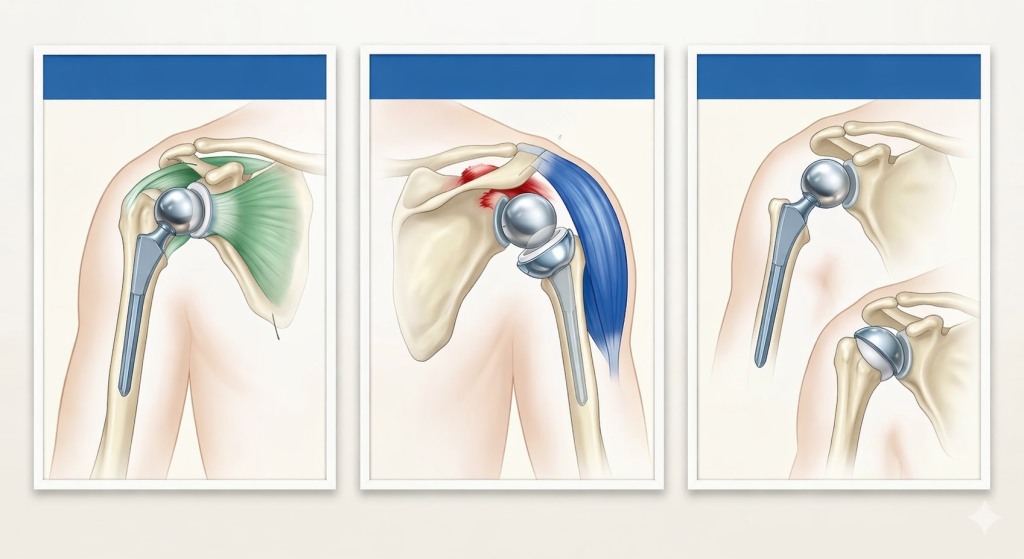
Shoulder replacement surgery (also known as shoulder arthroplasty) involves removing the damaged parts of the shoulder joint and replacing them with artificial components. This procedure is typically recommended for individuals with severe arthritis or extensive joint degeneration that has not responded to other treatments. Shoulder replacement is often used when:
- Severe shoulder arthritis or joint degeneration
- Chronic rotator cuff tears that have led to significant joint damage
- Fractures or other traumatic injuries to the shoulder joint
There are two main types of shoulder replacement surgery:
- Total shoulder replacement: Both the ball (humeral head) and the socket (glenoid) of the shoulder are replaced.
- Partial shoulder replacement: Only the ball or socket is replaced, depending on the condition of the shoulder joint.
Benefits of Shoulder Replacement
- Long-term pain relief: Shoulder replacement is effective in relieving pain from arthritis or joint degeneration.
- Restores joint function: For many patients, shoulder replacement improves the ability to move the arm, particularly in cases of severe arthritis or injury.
- Durable results: Shoulder replacement surgery can last 10-15 years or more, offering long-term results.
Risks of Shoulder Replacement
- Longer recovery time: Recovery after shoulder replacement is longer than that of arthroscopy, typically taking several months.
- Risk of complications: As with any surgery, there are risks of infection, blood clots, or complications related to anesthesia.
- Implant failure: In some cases, the artificial joint may wear out or fail, requiring revision surgery.
- Post-operative stiffness: Some patients may experience stiffness or limited range of motion after surgery, although physical therapy can help.
Shoulder Arthroscopy vs. Shoulder Replacement: Key Differences
1. Invasiveness
- Shoulder Arthroscopy: A minimally invasive procedure that involves small incisions and the use of an arthroscope to visualize and repair the shoulder joint.
- Shoulder Replacement: A more invasive surgery where the damaged joint is removed and replaced with an artificial prosthesis.
2. Conditions Treated
- Shoulder Arthroscopy: Best for treating soft tissue injuries, such as rotator cuff tears, labral tears, impingement, and tendonitis.
- Shoulder Replacement: Typically recommended for severe arthritis, joint degeneration, or extensive rotator cuff damage.
3. Recovery Time
- Shoulder Arthroscopy: Faster recovery, with most patients returning to light activities within 4-6 weeks and full recovery within 3-6 months.
- Shoulder Replacement: Longer recovery time, typically 3-6 months for a full recovery, and may require months of physical therapy.
4. Effectiveness
- Shoulder Arthroscopy: Highly effective for soft tissue injuries but may not provide sufficient relief for severe arthritis or joint degeneration.
- Shoulder Replacement: Offers long-term relief for severe shoulder arthritis or joint degeneration, but may not be suitable for individuals with active, high-demand lifestyles.
Which Procedure is Best for You?
The decision between shoulder arthroscopy and shoulder replacement depends on the severity of your shoulder condition, your lifestyle, and your overall health. Here’s how to determine which procedure might be right for you:
- If you have mild to moderate shoulder pain due to a rotator cuff tear, labral tear, or impingement, shoulder arthroscopy may be the ideal option.
- If you have severe arthritis, extensive joint degeneration, or rotator cuff tears that have caused irreversible damage to the shoulder joint, shoulder replacement surgery may be the better choice.
The best way to determine which procedure is right for you is to consult with a qualified shoulder surgeon, such as Dr. Chintan Desai, who can evaluate your condition and provide personalized recommendations.
Conclusion
Both shoulder arthroscopy and shoulder replacement surgery offer effective solutions for shoulder pain and dysfunction, but the right choice depends on your specific condition. Whether you’re dealing with a rotator cuff tear, arthritis, or another shoulder issue, Dr. Chintan Desai, a renowned shoulder surgeon in Mumbai, can help guide you toward the right treatment for your needs.
For personalized advice or to schedule a consultation, visit Desai Shoulder Clinic and take the first step toward pain relief and improved shoulder function.