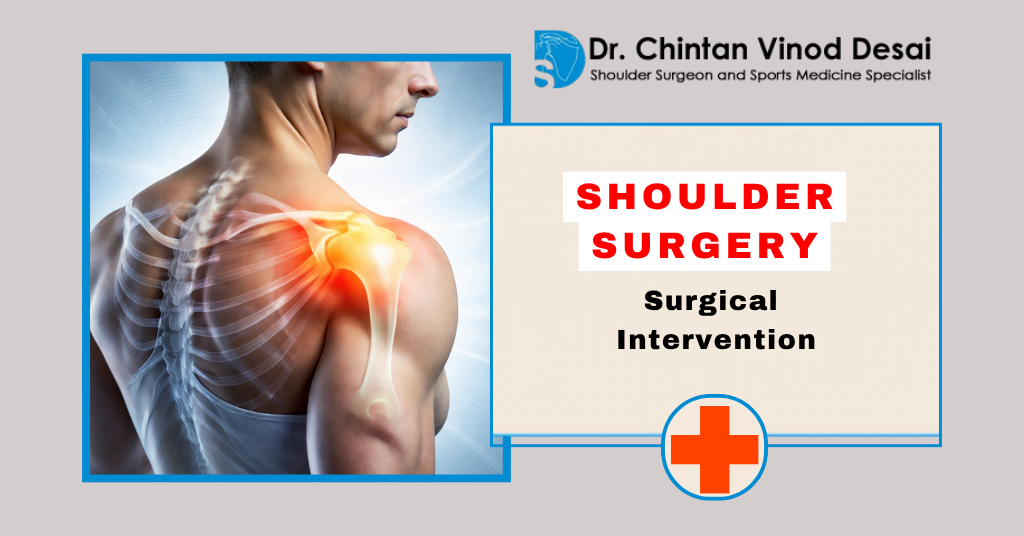
Shoulder pain can be debilitating, limiting your range of motion and affecting your ability to carry out everyday activities. If you’ve been struggling with chronic shoulder discomfort, you may be wondering if shoulder surgery is the right solution. While not every shoulder problem requires surgery, certain signs indicate that surgical intervention may be the best option for recovery.
Dr. Chintan Desai, a leading shoulder surgeon in Mumbai, explains the key signs that may suggest shoulder surgery is necessary and helps you understand when it’s time to consider surgery.
1. Chronic Shoulder Pain That Doesn’t Improve
One of the most obvious signs that you might need shoulder surgery is persistent and chronic pain. If you’ve been experiencing pain for months that doesn’t improve with conservative treatments like rest, physical therapy, or medications, surgery could be the next step. Rotator cuff tears, shoulder arthritis, and labral tears often lead to chronic pain that only surgery can address. If your shoulder pain interferes with your ability to work, sleep, or perform daily tasks , it’s time to talk to a shoulder specialist like Dr. Chintan Desai about surgical options.

2. Limited Range of Motion and Stiffness
If your shoulder is stiff and you’re unable to raise your arm, reach overhead, or perform other movements without significant discomfort, it may indicate a serious shoulder condition, such as frozen shoulder (adhesive capsulitis) or severe rotator cuff injuries.
Surgery may be necessary to restore function and improve the range of motion, particularly if physical therapy has not produced significant improvements over time.

3. Failure of Non-Surgical Treatments
Before recommending shoulder surgery, most doctors will recommend non-invasive treatments, such as physical therapy, corticosteroid injections, or anti-inflammatory medications. However, if these treatments fail to provide long-lasting relief, surgery may be your best option for addressing the root cause of your shoulder problem.
Common conditions like shoulder impingement, rotator cuff tears, and shoulder arthritis often require surgery if conservative treatments no longer work.

4. Shoulder Instability or Frequent Dislocations
Shoulder dislocations are common in sports injuries, especially in athletes who engage in overhead activities. If your shoulder dislocates frequently or feels unstable even when you’re not engaged in physical activity, it may be a sign that the soft tissues around your shoulder joint (such as the labrum or rotator cuff) are damaged.
Surgery, such as labral repair or shoulder stabilization surgery, may be required to prevent recurrent dislocations and restore shoulder stability.

5. Severe Arthritis or Joint Degeneration
Shoulder arthritis is a common condition, particularly in older adults, where the cartilage in the shoulder joint wears down over time. As the cartilage erodes, it can cause significant pain, stiffness, and swelling in the shoulder joint. In severe cases, shoulder replacement surgery (total or partial) may be necessary to alleviate pain and restore function.
If arthritis is affecting your ability to perform daily activities, and non-surgical treatments no longer help, shoulder replacement surgery could be the solution to help you regain mobility.

6. Torn Rotator Cuff or Labral Tear
A torn rotator cuff or labral tear can significantly impair your shoulder’s strength and stability. If these injuries fail to heal with non-invasive treatments and are preventing you from performing activities, surgical intervention may be necessary.
In cases where there is significant damage to the tendons or cartilage, surgery is required to repair or reattach the damaged tissue to restore the shoulder’s function.

7. Pain and Weakness in Overhead Activities
If you’re an athlete or someone who regularly performs overhead activities like lifting, throwing, or reaching, weakness and pain in these motions can be a sign of a rotator cuff injury or shoulder impingement. Surgery may be necessary to repair or decompress the affected tissues.
Dr. Chintan Desai often performs arthroscopic surgeries to treat these conditions, allowing athletes and active individuals to return to their sports with less pain and better shoulder stability.

8. Impaired Quality of Life
If shoulder pain or dysfunction is severely limiting your ability to enjoy life, surgery might be the most effective solution. When shoulder problems interfere with your ability to work, exercise, or even perform simple tasks like dressing or reaching for objects, surgery can provide significant relief and restore your independence.

Is Shoulder Surgery the Right Choice for You?
If you identify with any of the signs above, it may be time to consider shoulder surgery. However, the decision should always be made in consultation with a qualified shoulder surgeon like Dr. Chintan Desai, who will evaluate your condition and recommend the most suitable treatment.
Dr. Desai will guide you through the decision-making process and ensure you understand the benefits and risks of surgery. For most patients, shoulder surgery is a highly effective option that leads to long-term pain relief, improved mobility, and better quality of life.
Conclusion
Shoulder surgery may be the solution to long-standing pain, stiffness, or dysfunction when conservative treatments fail. If you’re dealing with any of the key signs mentioned above, consult with Dr. Chintan Desai, a leading shoulder surgeon in Mumbai, to discuss whether surgery is right for you. With his expertise, you can make an informed decision and take the first step toward recovery.