
Shoulder surgery can be a life-changing decision for individuals suffering from chronic shoulder pain, rotator cuff tears, arthritis, or other shoulder conditions. While the promise of relief and improved mobility is attractive, it’s essential to understand both the risks and benefits of shoulder surgery before committing to the procedure.
Dr. Chintan Desai, a leading shoulder surgeon in Mumbai, provides an in-depth look at the potential benefits and risks of shoulder surgery and helps you assess whether the procedure is worth it based on your unique situation.
Benefits of Shoulder Surgery
Shoulder surgery can offer significant relief and improvements in quality of life, especially for those who have not found success with non-surgical treatments. Some of the primary benefits include:
1. Pain Relief
For patients with severe shoulder arthritis, rotator cuff injuries, or other degenerative conditions, surgery can provide long-term pain relief. Shoulder replacement surgery, for example, can significantly reduce or eliminate pain caused by worn-out cartilage and joint degeneration.

2. Improved Mobility
Shoulder surgery can help restore lost function and improve your range of motion. For those with conditions like rotator cuff tears or shoulder impingement, surgery often leads to better mobility and the ability to perform everyday tasks without discomfort.

3. Better Quality of Life
Chronic shoulder pain and stiffness can limit daily activities and decrease your overall quality of life. By addressing the underlying issues, shoulder surgery can improve your ability to engage in physical activities, sports, and routine tasks without pain.

4. Minimally Invasive Options
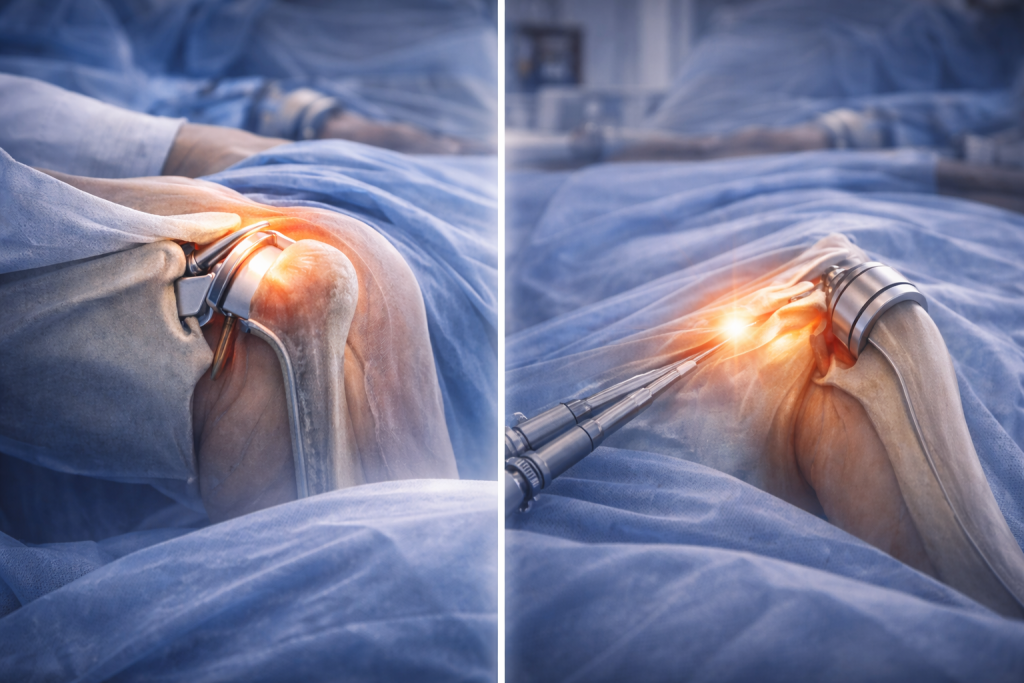
Many shoulder surgeries today, such as shoulder arthroscopy, are minimally invasive, meaning smaller incisions, reduced risk of complications, and quicker recovery times. This makes surgery more accessible to those who may have previously been hesitant due to the fear of long recovery periods.
5. Long-Term Solution
While non-surgical treatments like medication, physical therapy, and injections may provide temporary relief, shoulder surgery can offer a long-term solution for chronic conditions. Procedures like shoulder replacement can last for several years, reducing the need for ongoing treatments.

Risks of Shoulder Surgery
While shoulder surgery offers numerous benefits, it is not without risks. Understanding the potential risks can help you make an informed decision.
Infection
As with any surgery, there is always a risk of infection at the incision site or within the joint itself. Though rare, infections can delay recovery and may require additional treatment or surgery.
Nerve Damage
Shoulder surgery can sometimes result in nerve damage, leading to numbness, tingling, or weakness in the shoulder, arm, or hand. This is a rare complication but can be serious if it occurs.
Blood Clots
Following any surgery, there is a risk of developing blood clots in the veins, especially in the legs. In some cases, these clots can travel to the lungs and cause a pulmonary embolism, a life-threatening condition. Preventative measures are taken during surgery to minimize this risk.
Stiffness and Limited Range of Motion
While the goal of shoulder surgery is to improve mobility, in some cases, the shoulder may become stiff following surgery. Adhesive capsulitis (frozen shoulder) is a possible complication, causing long-term stiffness and difficulty moving the shoulder.
Rehabilitation Challenges
While most shoulder surgeries have a positive outcome, the recovery and rehabilitation process can be challenging. It often requires months of physical therapy to regain strength, mobility, and function. Non-compliance with rehabilitation exercises can lead to suboptimal results.
Anesthesia Risks
General anesthesia is often required for shoulder surgery, and while complications are rare, it can cause allergic reactions or breathing difficulties, particularly in patients with existing health conditions.
When is Shoulder Surgery Worth It?
Shoulder surgery is often considered when conservative treatments like physical therapy, medications, and injections fail to provide adequate relief. If you are suffering from a severe shoulder injury or chronic pain that significantly affects your daily life, surgery may be worth the risks. Here are some indicators that shoulder surgery may be the right option:
- Severe pain that affects your ability to sleep, work, or perform daily activities.
- Failure of non-surgical treatments, such as rest, medications, or physical therapy.
- Loss of shoulder function that limits mobility and impacts quality of life.
- Shoulder instability or frequent dislocations that cause joint damage.
- Advanced shoulder arthritis where joint replacement is necessary.
How to Make the Decision
Making the decision to undergo shoulder surgery requires careful consideration of the risks, benefits, and your overall health. Here are some tips to help you make an informed decision:
- Consult a Specialist: It’s important to consult with a qualified shoulder surgeon like Dr. Chintan Desai who can evaluate your condition and recommend the best course of action.
- Get a Second Opinion: Don’t hesitate to seek a second opinion, especially if the decision to have surgery is difficult.
- Understand the Full Recovery Process: Be sure you understand the time and effort required for rehabilitation. A successful outcome often depends on your commitment to recovery.
- Evaluate Your Health: Consider your overall health, age, and lifestyle when determining if surgery is appropriate for you.
Conclusion
Shoulder surgery can offer significant benefits, including pain relief, improved mobility, and a better quality of life. However, it’s important to understand the potential risks involved and carefully evaluate whether the procedure is worth it based on your condition. Dr. Chintan Desai, a shoulder surgery specialist in Mumbai, provides expert guidance to help you make an informed decision about whether shoulder surgery is the right choice for you.