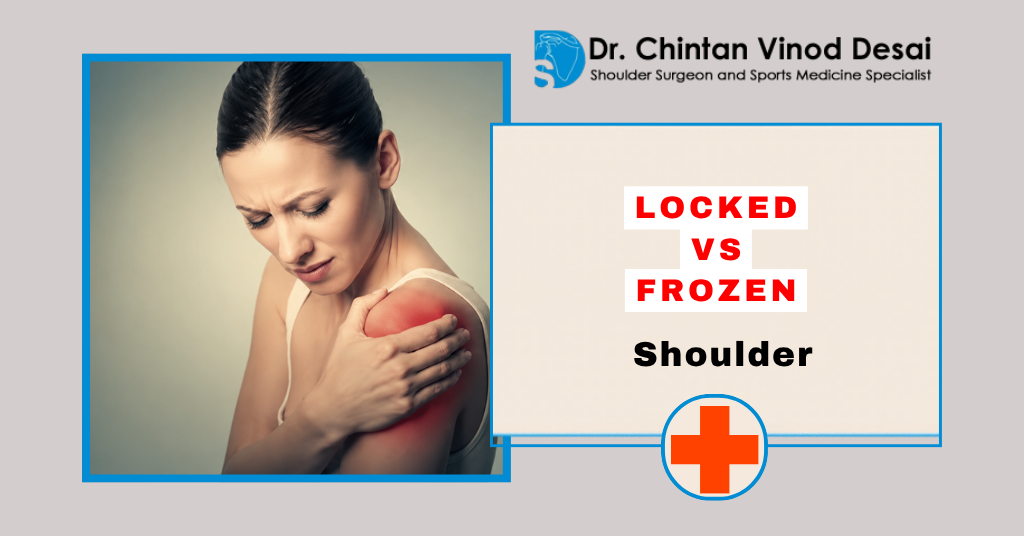
Shoulder pain and limited movement can be concerning, but understanding the difference between a locked shoulder and a frozen shoulder is key to proper diagnosis and treatment. While both conditions affect shoulder mobility, their causes, symptoms, and management vary.
What Is a Locked Shoulder?
A locked shoulder is a condition where the shoulder joint temporarily gets stuck, preventing normal movement. This usually occurs due to:
- Shoulder dislocation or subluxation: The ball partially or fully comes out of the socket.
- Mechanical block: A bone spur, cartilage fragment, or rotator cuff tear prevents the joint from moving.
- Sudden injury or trauma: Falling or lifting heavy objects can lead to a locked shoulder.
Symptoms of a Locked Shoulder:
- Sudden inability to move the shoulder
- Sharp pain during movement
- Swelling or tenderness around the joint
- Visible deformity in case of dislocation
Treatment: Locked shoulder often requires immediate attention. Treatment may include gentle manipulation, immobilization, or in some cases, surgery to remove mechanical blocks or repair damage.
What Is a Frozen Shoulder?
A frozen shoulder, medically known as adhesive capsulitis, develops gradually and is characterized by stiffness and pain. It is caused by inflammation and thickening of the shoulder capsule, leading to restricted movement over time.
Symptoms of a Frozen Shoulder:
- Gradual stiffness and limited range of motion
- Aching pain at rest or during movement
- Difficulty performing daily tasks like dressing or reaching overhead
- Symptoms often worsen at night
Treatment: Management of frozen shoulder focuses on reducing inflammation and improving mobility:
- Physical therapy with stretching exercises
- Anti-inflammatory medications
- Corticosteroid injections in some cases
- Rarely, surgical intervention may be needed if conservative treatment fails
Key Differences Between Locked Shoulder and Frozen Shoulder
| Feature | Locked Shoulder | Frozen Shoulder |
| Onset | Sudden | Gradual |
| Cause | Trauma, dislocation, mechanical block | Inflammation of joint capsule |
| Pain | Sharp, severe | Dull, aching |
| Mobility | Restricted abruptly | Gradually restricted over weeks/months |
| Treatment | Manipulation, surgery, immediate care | Physical therapy, medications, sometimes injections |
When to See a orthopedic surgeon for frozen shoulder
If you experience sudden shoulder immobility or severe pain after an injury, it may indicate a locked shoulder, which requires urgent evaluation by a specialist. Gradual stiffness with persistent pain could suggest a frozen shoulder, and early intervention can prevent long-term mobility loss.
For accurate diagnosis and advanced shoulder care, consulting Dr. Chintan Desai is recommended. His expertise in treating rotator cuff injuries, frozen shoulder, and complex shoulder conditions ensures optimal outcomes and faster recovery.
Conclusion
While locked shoulder and frozen shoulder may appear similar, their underlying causes, progression, and treatment differ significantly. Early recognition and expert care are essential to restore shoulder function effectively.
For shoulder pain, limited mobility, or rotator cuff injuries, consulting Dr. Chintan Desai can make a significant difference. Whether it’s a locked shoulder due to trauma or a frozen shoulder from stiffness and inflammation, Dr. Desai’s advanced shoulder treatment techniques can help relieve pain, restore mobility, and allow you to maintain an active, pain-free lifestyle.