Shoulder injuries are incredibly common, whether they occur due to sports, accidents, or even normal wear and tear over time. The shoulder is a highly mobile joint, but this mobility also makes it prone to injuries. While some shoulder injuries can be treated with non-surgical methods, others may require surgery to restore function and alleviate pain.
In this blog, Dr. Chintan Desai, a leading shoulder surgeon in Mumbai, explains some of the most common shoulder injuries that may require surgery and how they can be treated to restore mobility and improve your quality of life.
1. Rotator Cuff Tears
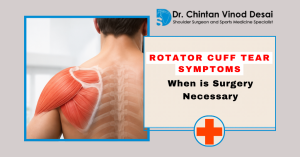
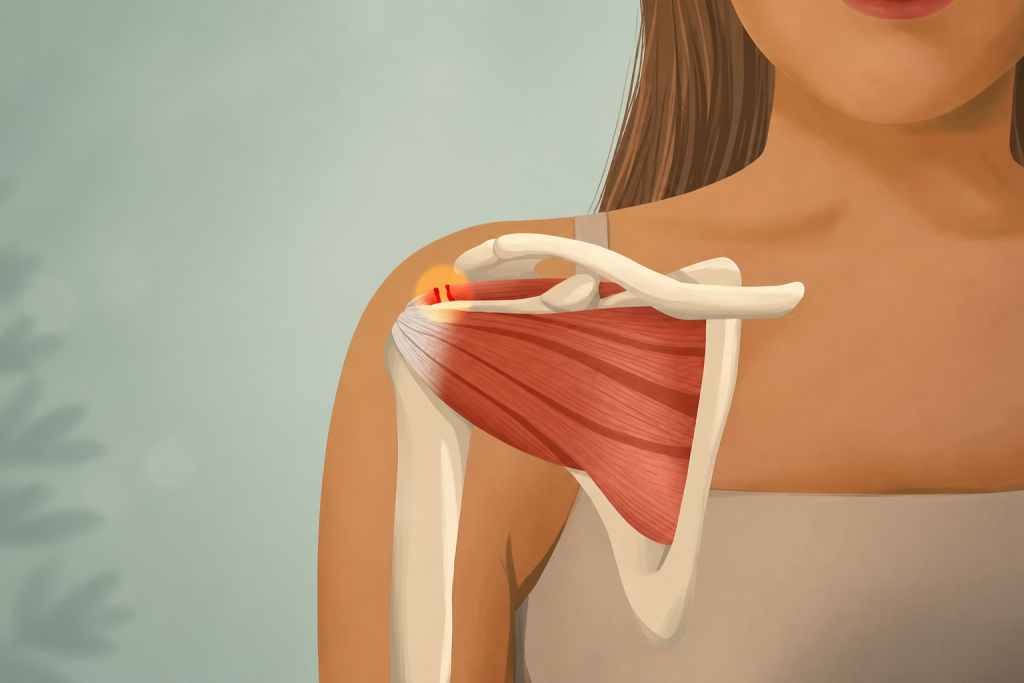
The rotator cuff is a group of muscles and tendons that stabilize the shoulder joint. A rotator cuff tear occurs when these tendons are torn due to trauma or overuse, causing pain, weakness, and difficulty lifting the arm. Rotator cuff tears can be partial or full-thickness tears, with the severity determining the type of treatment needed.
Surgical Treatment:
- Arthroscopic Surgery: For small to moderate tears, arthroscopic surgery is commonly performed to reattach the torn tendons to the bone.
- Open Surgery: In severe cases, an open procedure may be required to repair the rotator cuff using larger incisions.
2. Shoulder Labral Tear
The labrum is the cartilage that forms a cup around the shoulder socket, helping to stabilize the joint. A labral tear can result from a traumatic injury or repetitive overhead movements. Symptoms include shoulder instability, pain, and a catching sensation when moving the arm.
Surgical Treatment:
- Arthroscopic Surgery: Labral tear surgery is often performed arthroscopically. The torn cartilage is repaired or reattached to the bone using small incisions and specialized instruments.
- Biceps Tenodesis: In some cases, the tendon of the biceps muscle may need to be reattached during labral tear surgery.

3. Shoulder Impingement Syndrome
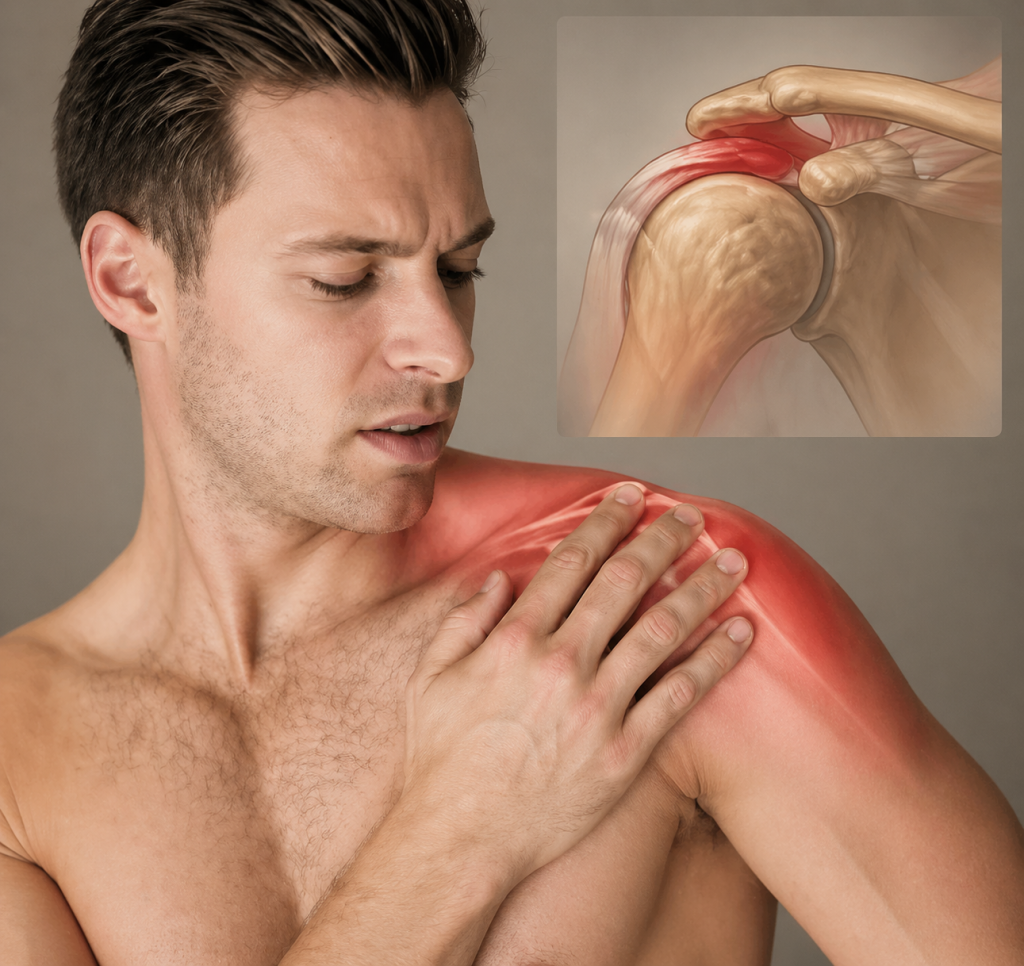
Shoulder impingement syndrome occurs when the tendons of the rotator cuff become compressed between the acromion (the top of the shoulder blade) and the humeral head (ball of the shoulder joint). This compression leads to inflammation and pain, particularly when raising the arm overhead.
Surgical Treatment:
- Subacromial Decompression: Arthroscopic surgery is used to remove the bursa or bone spurs that are causing the impingement and relieve pressure on the tendons.
- Acromioplasty: If the acromion is causing excessive compression, it may be shaved or reshaped during the surgery to provide more space for the tendons.

4. Shoulder Fractures
Shoulder fractures can occur due to trauma, such as falls or car accidents. Fractures may involve the clavicle (collarbone), humerus (upper arm bone), or scapula (shoulder blade). Depending on the type and severity of the fracture, surgery may be required to properly align the bones and promote healing.
Surgical Treatment:
- Fracture Fixation: In cases of displaced fractures, plates, screws, or pins may be used to hold the bones in place while they heal.
- Shoulder Replacement: In some cases, particularly in older adults with severe fractures, shoulder replacement surgery may be necessary to restore function.
5. Shoulder Dislocation
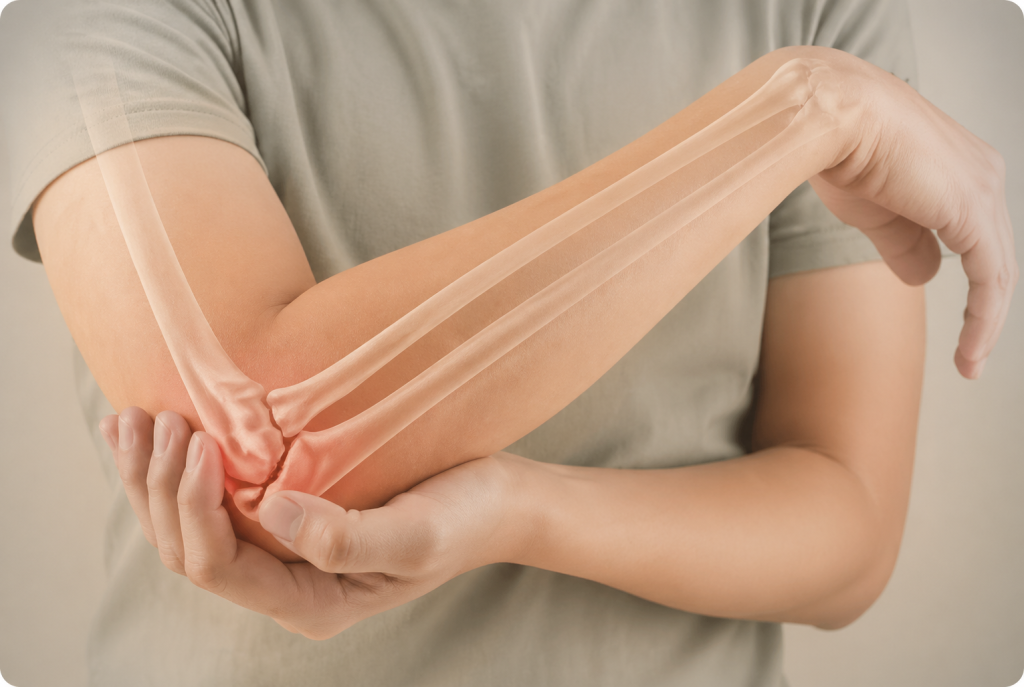
A shoulder dislocation occurs when the ball of the shoulder joint pops out of the socket, often due to trauma or a sports injury. Recurrent dislocations may occur, leading to damage to the ligaments, labrum, or rotator cuff, making the shoulder more prone to future dislocations.
Surgical Treatment:
- Shoulder Stabilization Surgery: In cases of recurrent dislocations or significant ligament damage, surgery may be needed to stabilize the shoulder joint and repair the damaged tissues.
- Bankart Repair: This procedure is used to reattach the torn labrum to the shoulder socket, which helps prevent future dislocations.

6. Frozen Shoulder (Adhesive Capsulitis)
Frozen shoulder is a condition where the shoulder capsule becomes thickened and tight, leading to severe stiffness and pain. It typically develops over time and can significantly limit shoulder movement. In some cases, when physical therapy and other non-surgical treatments don’t improve the condition, surgery may be necessary.
Surgical Treatment:
- Capsular Release: In arthroscopic surgery, the shoulder capsule is released to restore normal range of motion and reduce stiffness.
- Manipulation Under Anesthesia: This is a procedure where the shoulder is manually manipulated to break up adhesions in the joint capsule. It is often done in conjunction with physical therapy.

7. Shoulder Arthritis
Shoulder arthritis, particularly osteoarthritis, causes the cartilage in the shoulder joint to wear down over time. As the cartilage erodes, it leads to pain, stiffness, and reduced movement. In severe cases where non-surgical treatments like medication and physical therapy no longer work, surgery may be required.
Surgical Treatment:
- Shoulder Replacement Surgery: In severe cases of arthritis, total shoulder replacement or reverse shoulder replacement may be recommended to remove the damaged joint and replace it with an artificial prosthesis.
- Arthrodesis: In some cases, where the shoulder joint is severely damaged, the bones may be fused together to provide stability and reduce pain.
When is Shoulder Surgery Necessary?
Shoulder surgery is often considered when:
- Non-surgical treatments (such as physical therapy, medication, and injections) fail to provide relief.
- Pain and stiffness significantly affect daily activities, work, or recreational activities.
- The shoulder injury or condition leads to weakness, instability, or an inability to perform basic tasks.
If you are experiencing chronic shoulder pain or have been diagnosed with any of the conditions mentioned above, it’s essential to consult with a qualified shoulder surgeon like Dr. Chintan Desai, who can evaluate your condition and recommend the best course of treatment.
Conclusion
Shoulder injuries can significantly impact your quality of life, but surgery can offer long-term relief and restore mobility. Whether you’re dealing with a rotator cuff tear, shoulder impingement, fractures, or arthritis, understanding the available treatment options is crucial. Dr. Chintan Desai, a trusted shoulder surgeon in Mumbai, offers personalized care and expert guidance to help you navigate the decision-making process and achieve the best outcome.
If you’re dealing with a shoulder injury that may require surgery, schedule a consultation with Dr. Chintan Desai today and take the first step toward recovery.