Shoulder surgery, whether it’s shoulder arthroscopy, rotator cuff repair, or shoulder replacement, can be a life-changing procedure to relieve pain, restore mobility, and improve quality of life. Proper preparation before the surgery is essential to ensure a smooth process and a faster recovery.
In this step-by-step guide, Dr. Chintan Desai, a renowned shoulder surgeon in Mumbai, will walk you through everything you need to do before undergoing shoulder surgery. From the initial consultation to post-surgery preparations, this guide will help you feel confident and well-prepared.
Step 1: Initial Consultation and Evaluation
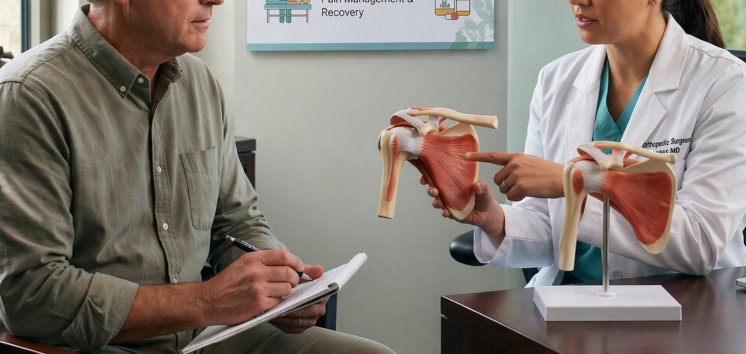
The first step in preparing for shoulder surgery is to have a detailed consultation with your surgeon. During this visit, Dr. Chintan Desai will assess your condition through a physical examination and may order imaging tests such as X-rays or MRI scans to evaluate the extent of the damage.
During this appointment, make sure to:
- Discuss your symptoms: Share details about the pain, weakness, or mobility issues you’ve been experiencing in your shoulder.
- Ask questions: Make sure you understand the type of surgery recommended, the benefits, risks, and expected outcomes.
- Review medical history: Inform your surgeon about any chronic health conditions, allergies, or medications you are currently taking.


Step 2: Pre-Surgical Health Optimization
Your overall health plays a crucial role in the success of your surgery and recovery. A few weeks before surgery, consider the following steps to optimize your health:
1. Stop Smoking
Smoking can slow down the healing process and increase the risk of complications such as infections and poor wound healing. If you smoke, it’s advisable to quit at least 2-4 weeks before the surgery.
2. Healthy Diet
A balanced diet rich in vitamins, minerals, and protein can support healing and boost your immune system. Focus on foods like:
- Lean proteins (chicken, fish, tofu)
- Fresh vegetables and fruits (especially those high in Vitamin C and antioxidants)
- Whole grains
- Healthy fats (olive oil, avocados, nuts)
3. Manage Chronic Conditions
If you have diabetes, hypertension, or other chronic conditions, ensure they are well-managed before surgery. Uncontrolled conditions can affect anesthesia and recovery.
4. Exercise and Strengthening
If recommended by your surgeon or physical therapist, start pre-habilitation exercises to strengthen the muscles around your shoulder. Stronger muscles can help support your recovery after surgery.
Step 3: Understand Your Surgical Procedure
Understanding the details of your specific shoulder surgery is vital for managing your expectations. Depending on the type of surgery you’re undergoing, your surgeon will explain:
- The procedure: Whether you’re having shoulder arthroscopy, a rotator cuff repair, or shoulder replacement, understand how the surgery will be performed.
- Anesthesia: Discuss the type of anesthesia that will be used (general or regional anesthesia).
- Length of surgery: Most shoulder surgeries take between 1-2 hours, depending on the complexity.
Ask about what you can expect during and after the surgery, including the use of pain management strategies and post-operative care.
Step 4: Pre-Surgery Testing and Instructions
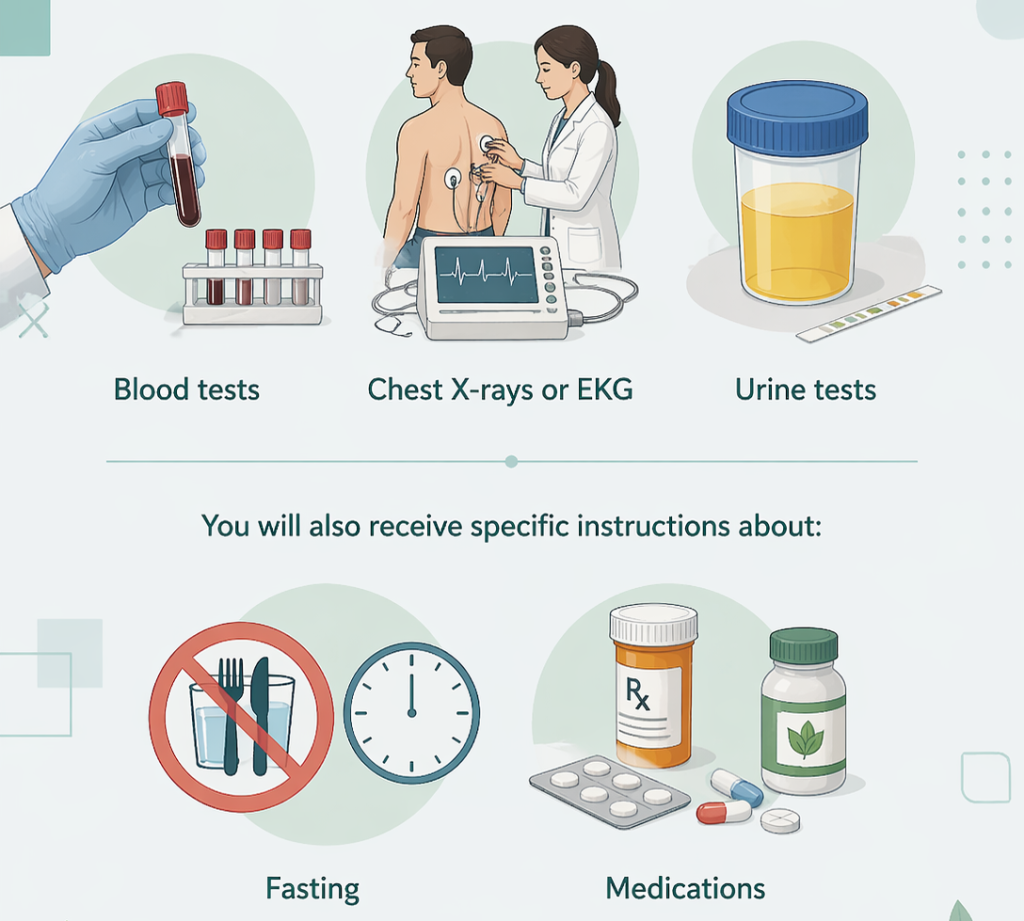
Before surgery, your doctor may recommend some tests to ensure you’re healthy enough for the procedure:
- Blood tests: To check your overall health and identify any potential issues.
- Chest X-rays or EKG: To assess your heart and lungs, especially if you have any heart conditions.
- Urine tests: To rule out any infections that could complicate the surgery.
You will also receive specific instructions about:
- Fasting: You’ll be asked not to eat or drink for 8-12 hours before surgery to prevent complications during anesthesia.
- Medications: Ask your surgeon whether you should stop taking any medications or supplements before surgery, especially blood thinners.
Step 5: Plan for Your Surgery Day
The day of surgery can be nerve-wracking, but having a clear plan can help reduce anxiety and ensure everything goes smoothly. Here’s what to do:
- Arrive early: Arrive at the hospital or clinic well ahead of your scheduled surgery time to complete any final paperwork and preparation.
- Bring someone with you: Bring a family member or friend who can provide support and take you home after the surgery.
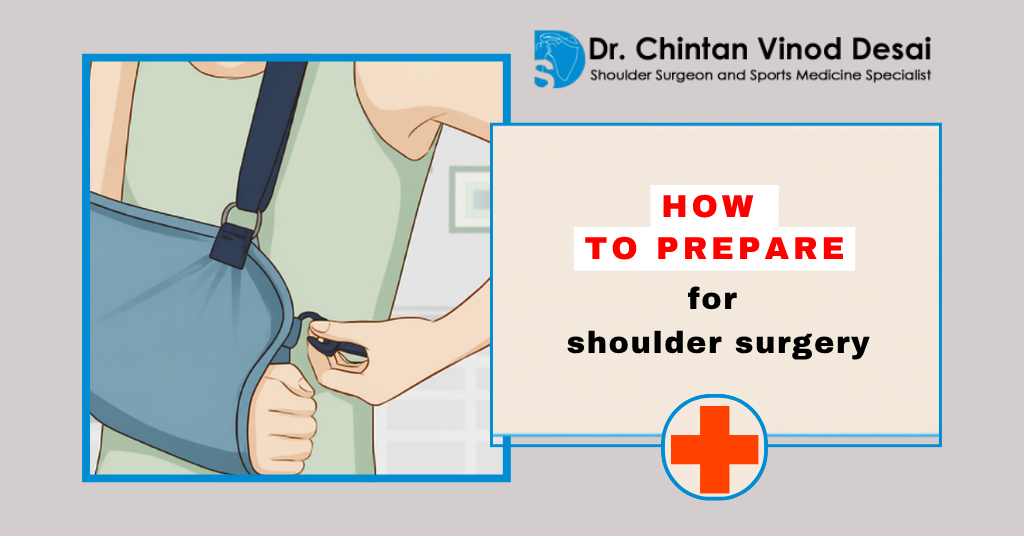
- Wear comfortable clothing: Since you may need to wear a sling or brace after surgery, wear loose-fitting clothes that are easy to remove.
- Prepare for transportation: Arrange for transportation to and from the hospital, as you may not be able to drive due to the anesthesia.

Step 6: Post-Surgery Care and Rehabilitation
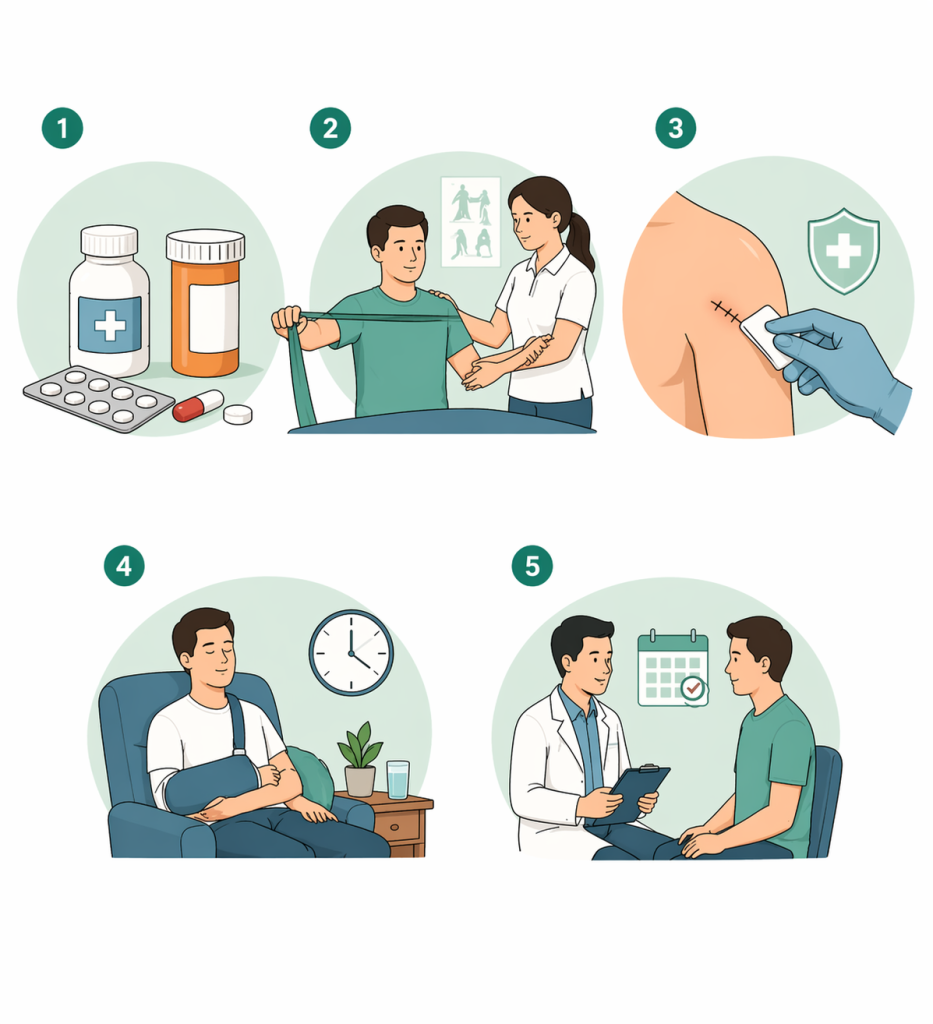
After surgery, your recovery will be closely monitored. You’ll likely spend a few hours in the recovery room until the anesthesia wears off. Here’s what you can expect after shoulder surgery:
1. Pain Management
Your surgeon will provide a pain management plan, including medications, to manage post-operative discomfort. Expect some swelling and bruising, which is normal.
2. Physical Therapy
Physical therapy is a key part of shoulder surgery recovery. Starting around 2-3 weeks post-surgery, physical therapy exercises will help restore your shoulder’s mobility and strength. You’ll start with passive range-of-motion exercises, progressing to strengthening exercises as you heal.
3. Wound Care
Follow your surgeon’s instructions for caring for your surgical wounds. Keep the area clean and dry, and watch for signs of infection, such as redness, increased pain, or discharge.
4. Rest and Recovery
Adequate rest is critical for healing. Avoid activities that could strain your shoulder, and follow any instructions for wearing a sling or immobilizer to support your shoulder.
5. Follow-up Appointments
You’ll need to return to your surgeon for follow-up appointments to monitor your progress, remove stitches, and adjust your rehabilitation plan as needed.
Step 7: Be Patient with Your Recovery
Recovery after shoulder surgery can take several months, depending on the procedure and your body’s healing process. Be patient and follow your surgeon’s advice closely to ensure the best possible outcome. With dedication and the right care, most patients regain full or near-full shoulder function.

Conclusion
Preparing for shoulder surgery requires planning and commitment. By following the step-by-step guide provided by Dr. Chintan Desai, you can ensure that you’re fully prepared for surgery and on the path to a successful recovery. Whether you’re undergoing shoulder arthroscopy, rotator cuff repair, or shoulder replacement, the right preparation will help you achieve the best possible results.
For personalized advice and expert care, consult with Dr. Chintan Desai, a shoulder surgeon in Mumbai, to discuss your treatment options and surgery preparation.