Shoulder surgery is an effective way to treat conditions like rotator cuff tears, shoulder arthritis, or shoulder impingement that don’t respond to non-surgical treatments. If you’re considering shoulder surgery, one of the most common questions you may have is: How long will the surgery take?
The duration of shoulder surgery can vary depending on several factors, including the type of procedure being performed, the complexity of your condition, and the surgeon’s experience. Dr. Chintan Desai, a leading shoulder surgeon in Mumbai, explains the factors that influence surgery duration and the expected results of shoulder surgery.
Factors That Influence Shoulder Surgery Duration
While the duration of shoulder surgery depends on the procedure being performed, most shoulder surgeries generally last between 1 and 2 hours. However, several factors can influence how long the surgery will take:
1. Type of Shoulder Surgery
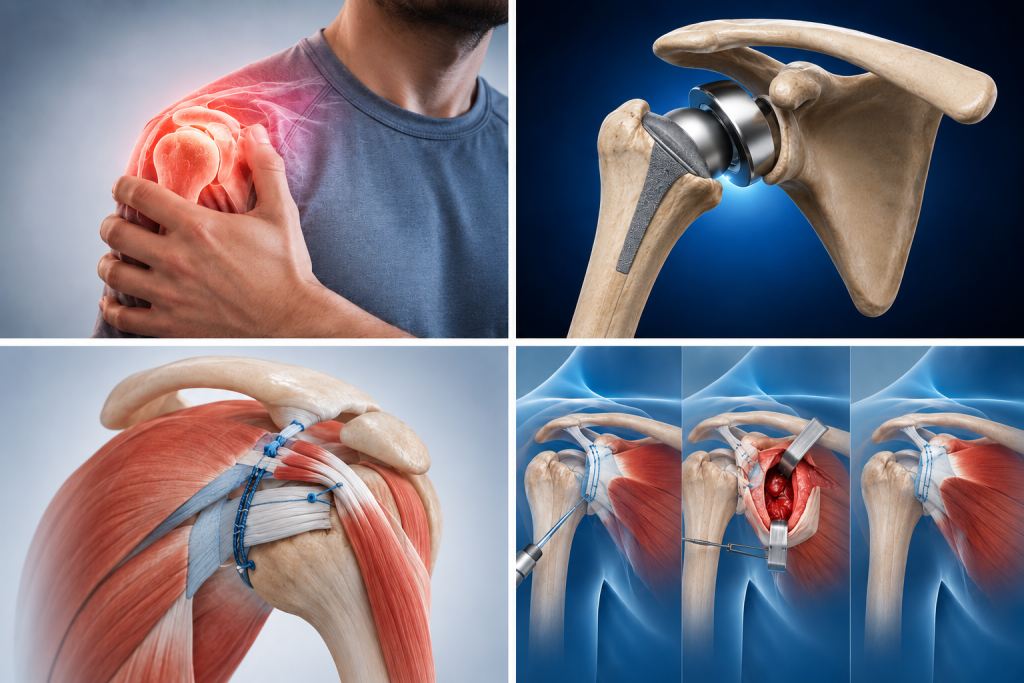
The type of shoulder surgery being performed is one of the biggest factors in determining the duration of the procedure. Here are some common types of shoulder surgeries and their estimated durations:
- Shoulder Arthroscopy: This minimally invasive surgery is typically performed for rotator cuff repairs, labral tears, and shoulder impingement. Because of the small incisions and use of a camera (arthroscope), the surgery is usually completed in about 1 to 2 hours.
- Rotator Cuff Repair: This procedure can be performed either arthroscopically or open surgery. The duration can range from 1 to 3 hours, depending on the size of the tear and whether additional procedures are required (e.g., tendon transfers or bone spurs removal).
- Shoulder Replacement Surgery: This is a more complex procedure that involves replacing the damaged shoulder joint with a prosthesis. Shoulder replacement surgery typically takes 2 to 3 hours. The duration can be longer if a reverse shoulder replacement is needed, especially in patients with severe rotator cuff damage.
- Shoulder Stabilization Surgery: This procedure is used to repair the labrum or ligaments in patients with recurrent shoulder dislocations. It typically takes about 2 to 3 hours, depending on the complexity of the damage.
2. Complexity of the Condition
The severity and complexity of your condition play a significant role in determining the surgery duration. Here are some examples:
- Mild Conditions: Conditions like rotator cuff tendinitis or small labral tears may require less time for arthroscopic repair, often completed within 1-2 hours.
- Severe Conditions: Severe shoulder arthritis, large rotator cuff tears, or complex fractures can make the surgery more complicated, extending the duration to several hours.
- Multiple Procedures: In some cases, you may need multiple procedures performed during the same surgery, such as rotator cuff repair combined with shoulder impingement surgery or shoulder replacement. These additional procedures can increase the surgery time.
3. Surgeon’s Experience
The experience and skill of your shoulder surgeon can influence the length of the procedure. More experienced surgeons typically perform surgeries more efficiently, which can help reduce the time needed. However, complex cases may require more time regardless of experience.
4. Patient Health and Age
Your overall health and age also affect the duration of surgery. Older patients or those with multiple health conditions (like diabetes or heart disease) may require additional time for anesthesia or special care during surgery. Additionally, patients with obesity or poor bone quality may require more time for certain procedures like shoulder replacement.
5. Anesthesia
The type of anesthesia used can also influence how long the surgery takes. Most shoulder surgeries are performed under general anesthesia, but some less invasive procedures may only require regional anesthesia (numbing the shoulder area). The administration and monitoring of anesthesia can add extra time to the surgery process.
6. Surgical Approach: Open vs. Arthroscopic Surgery
- Arthroscopic Surgery: This minimally invasive approach uses small incisions and specialized instruments, resulting in shorter surgery times and quicker recovery. However, it may not be suitable for more complex or severe conditions.
- Open Surgery: For larger or more complicated tears, open surgery may be required, which takes longer than arthroscopic surgery due to the larger incisions and more extensive tissue manipulation.
Expected Results After Shoulder Surgery
The results of shoulder surgery depend on the type of surgery, the severity of the condition, and your commitment to post-surgery rehabilitation. Here’s what you can generally expect after surgery:

1. Pain Relief
One of the primary benefits of shoulder surgery is pain relief. Most patients experience significant pain reduction following surgery, particularly if they had conditions like shoulder arthritis or a rotator cuff tear. It’s important to note that pain relief may not be immediate, as there is often post-surgery swelling and discomfort that lasts for a few weeks.
2. Improved Mobility
Shoulder surgery, especially rotator cuff repair or shoulder replacement, aims to restore mobility. Depending on the surgery, patients often regain a much wider range of motion and greater functional use of their shoulder.
3. Rehabilitation
Rehabilitation is a crucial part of the recovery process, and physical therapy plays a key role in regaining full strength and mobility. The amount of rehabilitation required will depend on the type of surgery. Arthroscopic surgeries may require less therapy, while more complex surgeries like shoulder replacement require a longer rehabilitation period.
4. Full Recovery Time
Full recovery from shoulder surgery can take anywhere from 3 months to 1 year, depending on the procedure. Arthroscopic surgeries may allow a return to normal activities in 3-6 months, while more invasive surgeries like shoulder replacement may take 6-12 months for complete recovery.
Conclusion
Shoulder surgery duration depends on several factors, including the type of surgery, the complexity of your condition, and your overall health. While shoulder arthroscopy is typically quicker, more complex procedures like shoulder replacement may take longer. Regardless of the surgery type, proper preparation, and a commitment to rehabilitation can ensure the best possible results.
If you’re considering shoulder surgery, Dr. Chintan Desai, a shoulder surgeon in Mumbai, can provide expert guidance and ensure you understand the surgery duration, potential outcomes, and recovery process. Schedule a consultation today to learn how shoulder surgery can improve your quality of life.