Shoulder pain and limited mobility can significantly affect daily life, especially in cases of severe arthritis or rotator cuff injuries. Stemless reverse shoulder arthroplasty is an advanced surgical option designed to restore function, reduce pain, and improve the quality of life for patients with specific shoulder conditions. But who exactly qualifies for this procedure? Let’s explore.
What is Stemless Reverse Shoulder Arthroplasty?
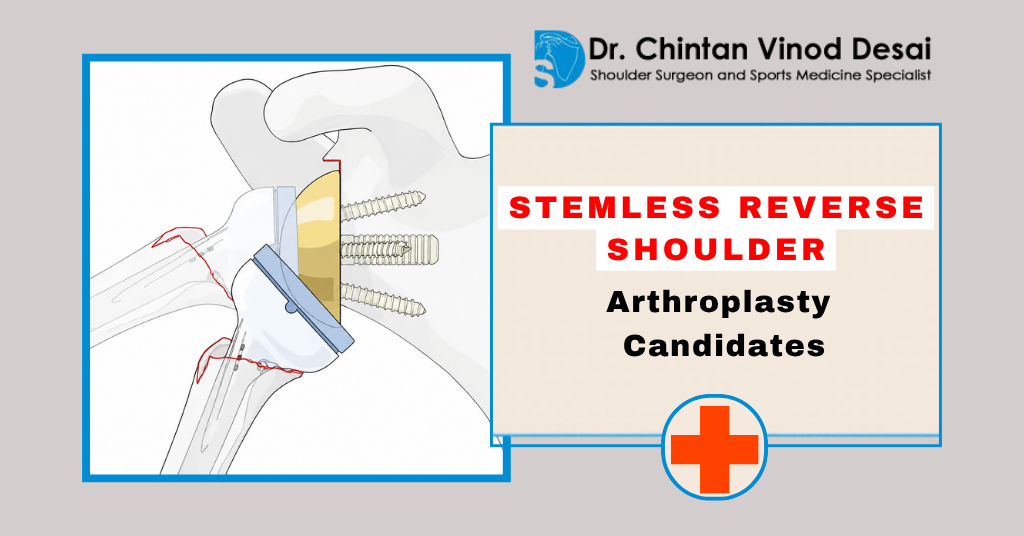
Unlike traditional shoulder replacements that use a long stem inserted into the humerus, a stemless reverse shoulder arthroplasty relies on a smaller, stem-free implant. This design preserves more bone, reduces surgical trauma, and often allows for quicker recovery while providing excellent long-term outcomes.
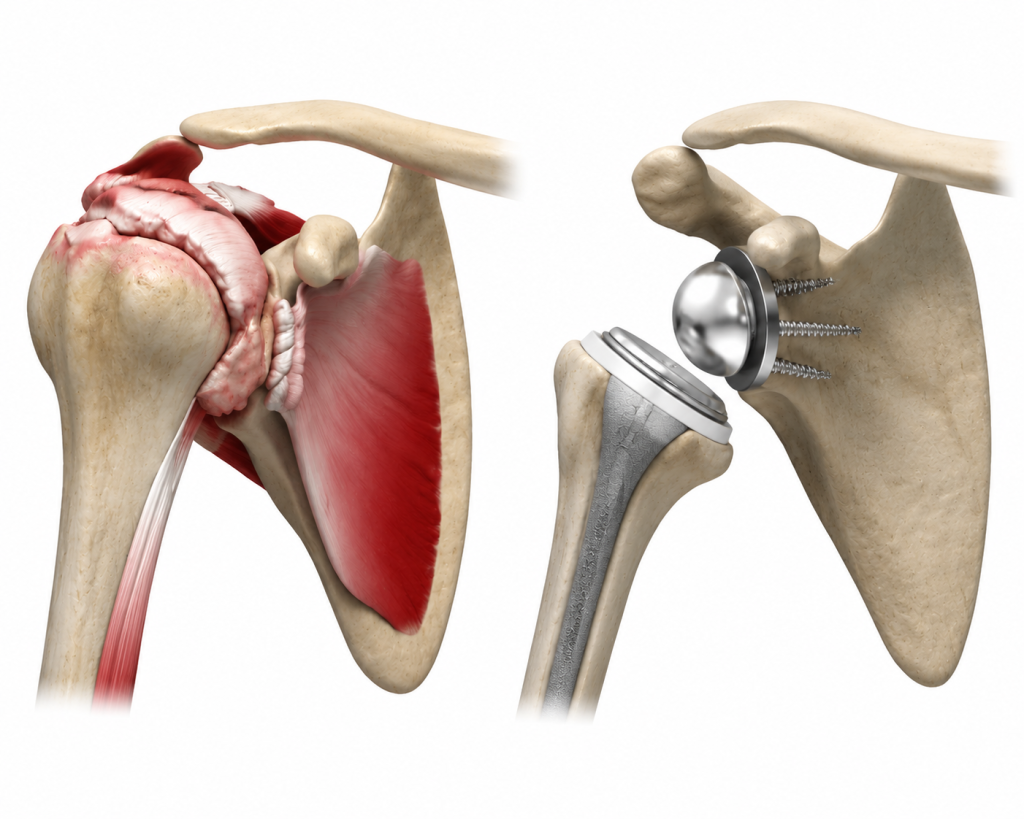
This procedure is particularly beneficial for patients with rotator cuff arthropathy, severe osteoarthritis, or complex shoulder fractures, where traditional implants may not be ideal.
Ideal Candidates
Not every patient with shoulder problems is suitable for a stemless reverse shoulder replacement. Here are the primary considerations:
- Good Bone Quality
- The humeral bone must be strong enough to support the stemless implant.
- Patients with osteoporosis or severe bone loss may not be ideal candidates.
- Rotator Cuff Deficiency
- Patients with irreparable rotator cuff tears or rotator cuff arthropathy benefit the most, as the reverse design shifts the shoulder’s center of rotation to improve function.
- Osteoarthritis or Post-Traumatic Arthritis
- Individuals experiencing severe pain and limited motion due to arthritis, especially when non-surgical treatments fail, can benefit from this procedure.
- Younger or Active Patients
- Stemless implants preserve bone for potential future revisions, making them suitable for younger patients or those leading active lifestyles.
- Fracture Cases
- Certain complex proximal humerus fractures, particularly in patients with adequate bone stock, may be treated effectively with stemless reverse implants.
Who Might Not Be a Candidate
- Severe osteoporosis or poor bone quality
- Infection in the shoulder joint
- Neuromuscular disorders affecting shoulder stability
- Significant deformities or bone loss unsuitable for stemless fixation
Benefits of Stemless Reverse Shoulder Arthroplasty
- Bone preservation for future revisions
- Reduced surgical time and less invasive approach
- Faster rehabilitation and recovery
- Lower risk of stem-related complications
Conclusion
Stemless reverse shoulder arthroplasty is an excellent surgical option for patients with rotator cuff arthropathy, severe arthritis, or certain fractures, provided they have sufficient bone quality. A careful evaluation by an experienced orthopedic surgeon is essential to determine candidacy.
If you experience chronic shoulder pain or limited mobility, consulting a top shoulder surgery center can help you explore whether a stemless reverse shoulder replacement is right for you.