Physiotherapy is commonly recommended for shoulder pain caused by muscle weakness, tendon irritation, stiffness, and certain shoulder injuries. Many patients experience improvement with a structured rehabilitation programmed, but some notice that their shoulder pain returns after completing treatment.
You may feel better for a few weeks, only to experience discomfort again when lifting your arm, exercising, sleeping on the affected side, or returning to daily activities.
Why does shoulder pain return after physiotherapy?
Recurring shoulder pain may occur because the underlying condition has not fully resolved, the shoulder has not regained sufficient strength, activities have increased too quickly, or a structural problem requires further evaluation.
In some cases, conditions such as rotator cuff tears, frozen shoulder, shoulder impingement-related pain, or arthritis may contribute to persistent symptoms.
However, shoulder pain returning after physiotherapy does not automatically mean that physiotherapy has failed or that surgery is required.
Dr. Chintan Desai, a shoulder surgeon in Mumbai, evaluates persistent and recurrent shoulder problems to identify possible causes and discuss appropriate treatment options.
Is It Normal for Shoulder Pain to Return After Physiotherapy?
Some temporary discomfort can occur when patients begin new exercises, increase activity levels, or return to movements they have avoided for a long time.
Mild muscle soreness after rehabilitation exercises may be expected, particularly when strengthening previously underused muscles.
However, recurring shoulder pain should not always be considered a normal part of recovery.
It is important to distinguish between temporary exercise-related soreness and symptoms that may indicate an unresolved shoulder condition.

Temporary soreness may:
- Develop after new or more demanding exercises.
- Feel like mild muscular discomfort.
- Improve with appropriate rest or exercise modification.
- Gradually decrease as the shoulder adapts.
Symptoms that may require reassessment include:
- Pain that repeatedly returns after temporary improvement.
- Increasing shoulder weakness.
- Difficulty lifting the arm.
- Pain that regularly interrupts sleep.
- Progressive shoulder stiffness.
- Pain that interferes with work or daily activities.
- Symptoms that worsen despite following the prescribed rehabilitation programme.
Persistent or worsening symptoms may indicate that the treatment plan needs adjustment or that further investigation is required.
What Causes Shoulder Pain to Return After Physiotherapy?
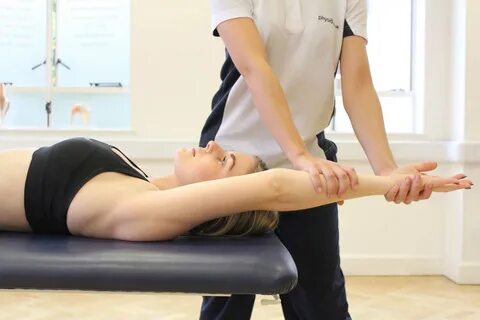
Several factors can contribute to recurring shoulder pain. The cause may involve the original shoulder condition, muscle function, rehabilitation progression, or a previously unrecognized problem.
1. The Underlying Shoulder Condition Has Not Fully Resolved
Physiotherapy can help improve movement, strength, coordination, and pain control. However, not every shoulder condition resolves completely through exercise alone.
For example, some patients have significant tendon damage, degenerative joint changes, or other structural problems that continue to affect shoulder function.
Physiotherapy may reduce symptoms without eliminating the underlying abnormality.
When normal activities resume, the shoulder may become painful again.
This does not necessarily mean that the treatment was inappropriate. It may indicate that the shoulder requires additional rehabilitation, activity modification, or further clinical assessment.
2. Rotator Cuff Tendon Problems
The rotator cuff consists of four muscles and their tendons that help stabilize the shoulder and control arm movement.
Rotator cuff-related conditions are common causes of shoulder pain.
These may include:
- Rotator cuff tendinopathy.
- Partial-thickness rotator cuff tears.
- Full-thickness rotator cuff tears.
- Chronic tendon degeneration.
- Recurrent tendon injuries.
Physiotherapy may improve shoulder function by strengthening the remaining muscles and improving movement patterns.
However, a torn tendon does not necessarily reconnect to its original attachment through physiotherapy.
Some patients with rotator cuff tears respond well to non-surgical treatment, while others continue to experience pain or weakness.
When might a rotator cuff problem be suspected?
Symptoms may include pain while lifting the arm, weakness during overhead activities, night pain, or difficulty carrying objects.
A shoulder specialist may recommend further assessment when symptoms persist or functional weakness increases.
3. Incomplete Shoulder Strength Recovery
Pain relief does not always mean that the shoulder has regained adequate strength and endurance.
Some patients stop physiotherapy when their pain improves, even though the shoulder muscles still need additional strengthening.
The rotator cuff, deltoid, and muscles controlling the shoulder blade work together during arm movement.
If these muscles remain weak or poorly coordinated, certain activities may place greater demands on sensitive shoulder structures.
Pain may return when patients resume lifting, sports, repetitive work, or overhead movements.
A progressive strengthening programme may help improve the shoulder’s capacity to tolerate these activities.
4. Returning to Activities Too Quickly
Patients may feel ready to resume normal activities as soon as their pain decreases.
However, the shoulder may not yet be prepared for the same workload it tolerated before the injury.
Activities that can aggravate symptoms include:
- Heavy lifting.
- Repetitive overhead work.
- Gym exercises involving the shoulder.
- Throwing or racquet sports.
- Carrying heavy objects.
- Sudden increases in exercise intensity.
Returning to demanding activities too quickly may trigger another episode of pain.
A gradual, individualized return-to-activity programme is often important.
5. Frozen Shoulder or Persistent Joint Stiffness
Frozen shoulder, also called adhesive capsulitis, causes pain and progressive restriction of shoulder movement.
Patients may experience difficulty reaching behind the back, lifting the arm, or performing everyday tasks.
Frozen shoulder can improve gradually, but recovery may take many months and sometimes longer.
Some patients experience fluctuations in pain and stiffness during recovery.
If physiotherapy is too aggressive during a painful phase, symptoms may temporarily worsen.
Persistent restriction of both active and passive shoulder movement may suggest frozen shoulder or another joint-related condition.
Treatment should be adjusted according to the stage of the condition, symptoms, and examination findings.
6. Shoulder Impingement-Related Pain and Bursitis
Pain around the rotator cuff and subacromial bursa may become more noticeable during overhead activities.
The subacromial bursa is a fluid-filled structure that helps reduce friction between tissues around the shoulder.
Rotator cuff-related pain and bursitis may coexist.
Physiotherapy can help improve strength, movement control, and activity tolerance, but symptoms may return if the shoulder is repeatedly exposed to loads it cannot yet tolerate.
It is important to identify the underlying cause rather than assuming that all pain during arm elevation is caused by mechanical impingement.
7. Shoulder Arthritis
Shoulder arthritis involves changes in the cartilage and other structures within the joint.
Patients may experience:
- Deep shoulder pain.
- Stiffness.
- Reduced range of motion.
- Grinding or catching sensations.
- Difficulty with everyday activities.
Physiotherapy may help maintain movement and improve muscle function, but it cannot reverse established cartilage loss.
Symptoms may fluctuate or gradually progress.
When arthritis is contributing to recurrent pain, treatment may involve a combination of rehabilitation, medication, activity modification, and other options depending on the severity.
8. An Incorrect or Incomplete Initial Diagnosis
Shoulder pain can arise from several different structures.
Sometimes, symptoms that appear to be caused by muscle strain may actually involve:
- Rotator cuff tears.
- Frozen shoulder.
- Biceps tendon disorders.
- Acromioclavicular joint problems.
- Shoulder arthritis.
- Shoulder instability.
- Pain referred from the cervical spine.
If the original diagnosis does not fully explain the symptoms, physiotherapy may provide temporary relief without addressing the main cause.
A reassessment can help determine whether additional investigations are appropriate.
9. Pain Originating From the Neck
Not all pain felt around the shoulder originates within the shoulder joint.
Cervical spine problems can sometimes cause pain that spreads into the shoulder and arm.
Associated symptoms may include:
- Neck pain.
- Tingling or numbness.
- Pain radiating below the elbow.
- Arm weakness.
- Symptoms influenced by neck movement.
These symptoms may require evaluation of the cervical spine and nervous system.
Treating the shoulder alone may not resolve pain that originates elsewhere.
10. Inconsistent Home Exercises or Rehabilitation Progression
Physiotherapy often includes exercises that patients are expected to continue independently.
If the prescribed programme is stopped prematurely, shoulder strength, endurance, or movement control may not be adequately maintained.
However, continuing exercises without adjusting them as the shoulder improves can also limit progress.
An effective rehabilitation programme should be reviewed and progressed according to symptoms, functional goals, and physical capacity.
Does Recurring Shoulder Pain Mean Physiotherapy Has Failed?
No. Recurring pain does not necessarily mean that physiotherapy has failed.
Shoulder rehabilitation is often a gradual process, and recovery may involve periods of improvement followed by temporary symptom flare-ups.
The response to physiotherapy depends on several factors, including:
- The underlying diagnosis.
- Severity and duration of the condition.
- Tendon and joint health.
- Muscle strength and coordination.
- Exercise progression.
- Work and activity demands.
- Adherence to rehabilitation.
- Other medical conditions.
Some patients benefit from a longer or modified rehabilitation programme.
Others may need further investigation to identify a structural problem or alternative source of pain.
The important question is not simply whether pain has returned, but why it has returned and how shoulder function has changed.
How Can You Tell Whether Shoulder Pain Is Muscular or Related to a Tendon or Joint Problem?
Symptoms can provide useful clues, but they cannot reliably identify the exact cause without a clinical examination.
| Symptom pattern | Possible explanation |
| Mild soreness after new exercises | Exercise-related muscle soreness |
| Pain and weakness while lifting the arm | Rotator cuff-related condition |
| Pain with progressive loss of active and passive movement | Frozen shoulder or joint disorder |
| Deep pain with stiffness or grinding | Shoulder arthritis |
| Pain during repetitive overhead activities | Rotator cuff-related pain or bursitis |
| Shoulder pain with neck pain, tingling, or numbness | Possible cervical spine involvement |
| Sudden weakness after an injury | Possible acute tendon injury or other structural damage |
These are general patterns rather than definitive diagnoses.
Different shoulder conditions can produce similar symptoms, and more than one problem may be present.
When Should You Get an MRI for Shoulder Pain After Physiotherapy?
An MRI is not necessary for every patient whose shoulder pain returns.
Many shoulder conditions can be assessed initially through a detailed medical history, physical examination, and appropriate rehabilitation review.
However, imaging may be considered when symptoms suggest a significant structural problem or when the result would influence treatment decisions.
Situations Where MRI May Be Considered
- Persistent pain despite an appropriate rehabilitation programme.
- Significant or worsening shoulder weakness.
- Suspected rotator cuff tear.
- Sudden loss of shoulder function after an injury.
- Persistent symptoms after previous shoulder surgery.
- Unexplained functional limitations.
- Planning for possible surgical treatment.
Which Imaging Tests May Be Used?
X-rays: Help assess bone alignment, arthritis, fractures, and other bony abnormalities.
Ultrasound: May help evaluate rotator cuff tendons, biceps tendon abnormalities, and certain soft-tissue conditions.
MRI: Provides detailed information about rotator cuff tears, tendon retraction, muscle degeneration, and other soft-tissue structures.
An MRI finding does not automatically explain the patient’s pain. Some tendon abnormalities are also found in people without shoulder symptoms.
Imaging results must be interpreted alongside the clinical examination.
What Should You Do When Shoulder Pain Returns After Physiotherapy?
The next step depends on the severity of symptoms, the original diagnosis, and whether shoulder function has changed.
1. Review the Activities That Trigger Pain
Identify whether pain returns during particular movements or after increased physical activity.
Consider whether you recently resumed heavy lifting, gym exercises, sports, or repetitive overhead work.
This information can help guide rehabilitation adjustments.
2. Avoid Repeatedly Pushing Through Significant Pain
Mild discomfort during some rehabilitation exercises may be acceptable when guided by a physiotherapist.
However, repeatedly performing movements that cause severe or progressively worsening pain may aggravate symptoms.
Exercise intensity and movement range may need modification.
3. Reassess Your Rehabilitation Programme
A physiotherapist may review shoulder strength, mobility, exercise technique, and progression.
Some patients need additional strengthening or improved movement control rather than an entirely different treatment.
4. Check Whether the Diagnosis Needs Reassessment
If pain repeatedly returns despite appropriate treatment, a shoulder specialist may assess whether the original diagnosis remains accurate.
This is particularly important when symptoms include persistent weakness, reduced movement, or pain after an injury.
5. Discuss Additional Treatment Options When Appropriate
Depending on the diagnosis, treatment may include continued physiotherapy, medication, selected injections, or surgery.
Not every patient with recurring shoulder pain requires an operation.
Can Shoulder Pain Return Even After a Rotator Cuff Tear Improves?
Yes. Symptoms may recur even when a patient has regained useful shoulder movement.
Some rotator cuff tears remain structurally present despite improvements in pain and function.
Other patients may experience recurrent symptoms because of tendon overload, persistent weakness, or degenerative changes.
A patient’s ability to perform daily activities may improve without complete anatomical healing of a torn tendon.
The decision to continue non-surgical treatment or consider surgery depends on pain, weakness, tear characteristics, functional requirements, and the response to rehabilitation.
When Is Surgery Considered for Shoulder Pain That Returns After Physiotherapy?
Surgery is not automatically recommended when physiotherapy does not provide lasting relief.
It may be considered when a specific shoulder condition is identified and the expected benefits of surgery outweigh its risks.
Rotator Cuff Repair
Rotator cuff repair may be considered for selected patients with symptomatic repairable tendon tears, particularly when weakness or functional limitations persist despite appropriate treatment.
Some acute traumatic tears may warrant earlier surgical assessment.
Arthroscopic Shoulder Procedures
Certain structural shoulder problems may be treated arthroscopically when there is an appropriate indication.
The procedure depends on the diagnosis rather than pain alone.
Frozen Shoulder Procedures
Most patients with frozen shoulder are initially treated without surgery.
For selected patients with persistent severe stiffness despite appropriate treatment, procedures such as manipulation under anaesthesia or arthroscopic capsular release may be considered.
Treatment for Irreparable Rotator Cuff Tears
When a rotator cuff tear cannot be reliably repaired, options may include continued rehabilitation, partial repair, superior capsular reconstruction, tendon transfer, or reverse shoulder replacement in selected cases.
Shoulder Replacement
Shoulder replacement may be considered for patients with advanced shoulder arthritis or certain severe rotator cuff-related conditions when other treatments are unlikely to provide adequate relief.
The presence of pain alone does not determine the need for surgery. The diagnosis, clinical findings, functional limitations, and patient preferences must guide treatment decisions.
How Does a Shoulder Specialist Evaluate Recurring Shoulder Pain?
A detailed shoulder evaluation helps identify why symptoms have returned.
Medical History
The specialist may ask about:
- When the shoulder pain first started.
- Whether there was an injury.
- The duration and type of physiotherapy.
- How much improvement occurred.
- When symptoms returned.
- Activities that aggravate pain.
- Previous shoulder procedures.
- Sleep disturbance and daily activity limitations.
Physical Examination
The examination may include:
- Active and passive shoulder movement.
- Rotator cuff strength.
- Shoulder blade movement.
- Joint stability.
- Pain during specific movements.
- Neck examination when indicated.
- Neurological assessment when appropriate.
Imaging Tests
X-rays, ultrasound, or MRI may be recommended depending on the suspected diagnosis and whether imaging would change treatment.
Individualized Treatment Planning
The findings help determine whether the patient may benefit from:
- Continued physiotherapy.
- Modified strengthening exercises.
- Activity adjustments.
- Clinician-directed pain management.
- Selected injections.
- Further investigation.
- Surgical treatment when indicated.
Dr. Chintan Desai at Desai Shoulder Clinic, Mumbai, evaluates persistent shoulder conditions and discusses treatment options based on clinical findings and individual functional needs.
How Can You Reduce the Chances of Shoulder Pain Returning?
Although recurrence cannot always be prevented, several measures may help maintain shoulder function.
1. Continue Appropriate Strengthening Exercises
Follow the maintenance exercises recommended by your physiotherapist, particularly when returning to physically demanding activities.
2. Increase Activity Gradually
Avoid sudden increases in lifting weight, exercise volume, or overhead activity.
3. Maintain Shoulder Mobility
Regular, comfortable movement may help prevent unnecessary stiffness.
4. Improve Shoulder Blade Control
The muscles around the shoulder blade contribute to efficient arm movement.
A physiotherapist may recommend exercises that improve coordination and stability.
5. Modify Repetitive Activities
Adjusting work techniques, exercise routines, or movement patterns may reduce repeated aggravation.
6. Seek Reassessment for Persistent Symptoms
If pain continues to return, further evaluation may help identify whether the original treatment plan needs modification.
These measures may reduce symptoms and improve function, but they cannot guarantee that shoulder pain will not recur.
When Should You Consult a Shoulder Specialist?
Consider consulting a shoulder specialist if:
- Shoulder pain repeatedly returns after physiotherapy.
- Pain continues to interfere with sleep.
- You experience significant shoulder weakness.
- You cannot lift your arm normally.
- Shoulder movement becomes progressively restricted.
- Symptoms continue after a shoulder injury.
- Pain persists after previous rotator cuff surgery.
- Your symptoms are limiting work, exercise, or daily activities.
Sudden severe shoulder pain after an injury, particularly with marked weakness or deformity, should be assessed promptly.
Shoulder pain accompanied by chest discomfort, breathlessness, sweating, or faintness requires emergency medical evaluation because it may indicate a condition unrelated to the shoulder.
Persistent numbness or progressive arm weakness also warrants timely medical assessment.
Frequently Asked Questions About Shoulder Pain After Physiotherapy
1. Why does my shoulder pain return after physiotherapy?
Shoulder pain may return because of persistent tendon or joint problems, incomplete strength recovery, increased activity demands, or an underlying condition that requires further evaluation. The exact cause depends on the diagnosis and clinical findings.
2. Is it normal to have shoulder pain after completing physiotherapy?
Mild temporary soreness may occur when exercises or activity levels increase. However, persistent, worsening, or repeatedly recurring pain should be reassessed.
3. Does recurring shoulder pain mean I have a rotator cuff tear?
Not necessarily. Rotator cuff tears are one possible cause, but frozen shoulder, arthritis, bursitis, biceps tendon problems, and cervical spine conditions may also cause recurring shoulder pain.
4. Should I stop physiotherapy if shoulder pain returns?
Not always. Some patients benefit from modifying exercise intensity or technique. However, severe or worsening pain, new weakness, or symptoms after an injury should be assessed before continuing demanding exercises.
5. Can physiotherapy heal a torn rotator cuff tendon?
Physiotherapy can improve strength, movement, and symptoms, but it generally cannot reconnect a completely torn tendon to its original attachment. Many patients with rotator cuff tears can nevertheless improve without surgery.
6. When should I get an MRI for recurring shoulder pain?
MRI may be considered when there is significant weakness, suspected structural damage, persistent symptoms despite appropriate treatment, or when imaging is likely to influence management.
7. Can frozen shoulder pain return after physiotherapy?
Frozen shoulder symptoms can fluctuate during recovery, and stiffness or pain may persist for months. A true recurrence after recovery is possible but is not the same as a temporary flare-up during rehabilitation.
8. Is surgery necessary if physiotherapy does not relieve shoulder pain?
No. Many patients improve with modified rehabilitation, activity changes, and other non-surgical treatments. Surgery is considered only when there is an appropriate diagnosis and clinical indication.
9. How long should physiotherapy take to improve shoulder pain?
Recovery depends on the underlying condition. Some patients improve within several weeks, while rotator cuff-related problems or frozen shoulder may require several months or longer. There is no single recovery timeline for every patient.
10. Why does shoulder pain return when I start going to the gym again?
Gym exercises may place greater demands on the shoulder than it is ready to tolerate. Incomplete strength recovery, rapid increases in training load, exercise technique, or persistent shoulder pathology may contribute.
11. Can shoulder pain come from the neck rather than the shoulder?
Yes. Cervical spine conditions can cause pain around the shoulder and arm. Tingling, numbness, radiating pain, or symptoms influenced by neck movement may suggest a cervical source.
12. Which doctor should I consult if shoulder pain keeps returning?
An orthopaedic shoulder specialist can assess recurrent shoulder pain, review previous treatment, examine shoulder function, and determine whether further rehabilitation, imaging, or other treatment is appropriate.
Conclusion
Shoulder pain returning after physiotherapy can be frustrating, particularly when symptoms initially improve and then reappear during normal activities.
However, recurring pain does not always mean that physiotherapy has failed or that surgery is necessary.
The cause may involve incomplete muscle recovery, increased activity demands, persistent rotator cuff problems, frozen shoulder, arthritis, or another condition that requires reassessment.
Identifying the underlying cause is more important than repeatedly treating the pain without understanding why it returns.
A detailed examination can help determine whether the shoulder needs further rehabilitation, activity modification, imaging, or another treatment approach.
If recurring shoulder pain is affecting your daily activities, consult Dr. Chintan Desai at Desai Shoulder Clinic, Mumbai, for an individualized assessment and discussion of suitable treatment options.