Shoulder pain while lifting your arm is one of the most common musculoskeletal complaints. It can interfere with daily activities such as dressing, lifting objects, driving, or even sleeping comfortably. While it may seem minor at first, persistent shoulder pain can indicate an underlying condition that needs proper evaluation.
Dr. Chintan Desai, a leading shoulder surgeon in Mumbai, explains the most common reasons behind shoulder pain while lifting the arm, how it is diagnosed, and the available treatment options.
What Does Shoulder Pain When Lifting Arm Mean?
Pain during arm elevation usually indicates irritation, inflammation, or injury in the shoulder joint structures, including:
- Muscles (rotator cuff)
- Tendons
- Bursa (fluid-filled sac)
- Joint capsule
- Bones and ligaments
The shoulder is a highly mobile joint, making it prone to wear, tear, and injury.

Common Causes of Shoulder Pain When Lifting Arm
1. Rotator Cuff Injury
The rotator cuff is responsible for lifting and rotating the arm. Injuries include:
- Tendinitis (inflammation)
- Partial tear
- Complete tear
Symptoms include pain, weakness, and difficulty lifting the arm overhead.
2. Shoulder Impingement Syndrome
This occurs when shoulder tendons get compressed during movement, especially while lifting the arm.
Typical signs:
- Sharp pain while raising arm
- Pain while reaching behind the back
- Night pain while sleeping on the affected side
3. Frozen Shoulder (Adhesive Capsulitis)
This condition leads to stiffness and pain due to thickening of the shoulder capsule.
Symptoms:
- Gradual loss of movement
- Severe stiffness
- Pain at rest and during motion
4. Bursitis
Inflammation of the bursa causes pain when the arm is lifted repeatedly or overhead.
5. Shoulder Arthritis
Wear and tear of the joint cartilage leads to pain and restricted movement.
6. Labral Tear
The labrum stabilizes the shoulder joint. A tear can cause:
- Pain during movement
- Clicking or catching sensation
- Instability
When Should You See a Doctor?
You should consult a shoulder specialist like Dr. Chintan Desai if:
- Pain persists for more than 2–3 weeks
- You cannot lift your arm properly
- Pain worsens at night
- There is weakness or instability
- You had a previous injury or dislocation
Diagnosis of Shoulder Pain
Your doctor may recommend:
- Physical examination
- X-ray (to check bones and arthritis)
- MRI scan (to evaluate soft tissues and rotator cuff)
- Ultrasound (for tendon assessment)
These help identify the exact cause of pain.
Treatment Options
1. Non-Surgical Treatment
Most cases improve without surgery:
- Rest and activity modification
- Pain-relief medications
- Ice or heat therapy
- Physiotherapy exercises
- Steroid injections (in selected cases)
2. Physiotherapy
Physiotherapy helps restore:
- Shoulder strength
- Flexibility
- Range of motion
It is the most important part of recovery.
3. Minimally Invasive Surgery (Arthroscopy)
Recommended when conservative treatment fails.
Used for:
- Rotator cuff tears
- Impingement
- Labral injuries
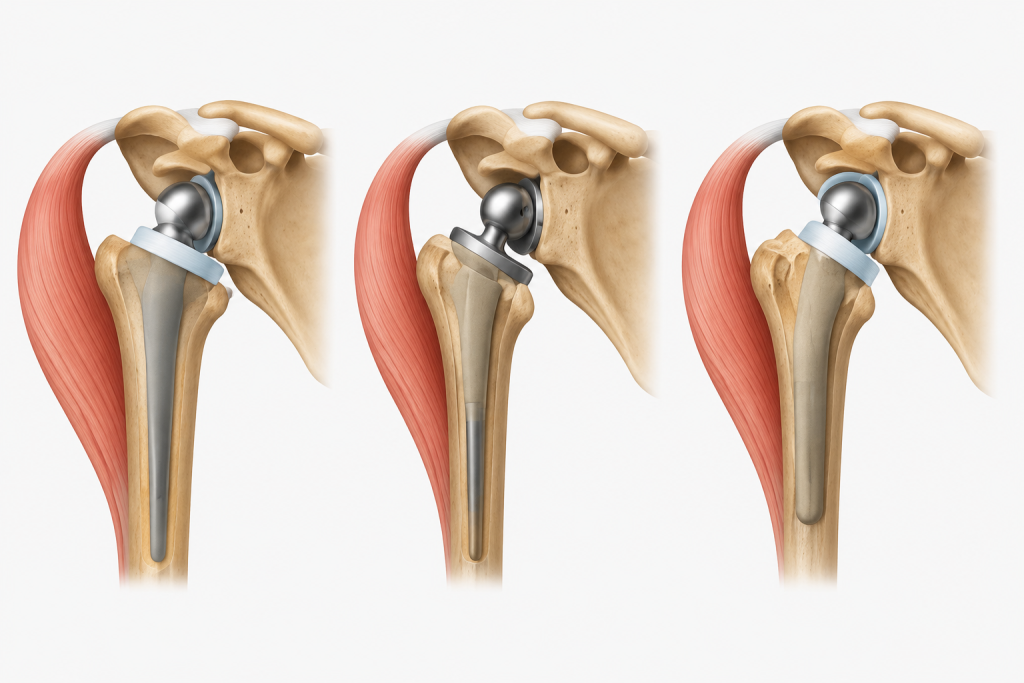
4. Shoulder Replacement Surgery
Required in severe arthritis or joint damage cases.
Recovery Timeline
- Mild conditions: 2–6 weeks
- Physiotherapy recovery: 6–12 weeks
- Surgery recovery: 3–6 months (depending on procedure)
Can Shoulder Pain Be Prevented?
Yes, prevention includes:
- Regular shoulder strengthening exercises
- Avoiding overuse injuries
- Maintaining correct posture
- Early treatment of minor injuries
- Warm-up before physical activity
Conclusion
Shoulder pain when lifting the arm is usually caused by inflammation, tendon injury, or joint problems. Early diagnosis and treatment are essential to prevent worsening of the condition.
With expert evaluation from Dr. Chintan Desai, patients can receive accurate diagnosis and advanced treatment options ranging from physiotherapy to minimally invasive shoulder surgery.
Ignoring symptoms may lead to long-term stiffness and loss of shoulder function — early care is always the best approach.