Shoulder pain can be a major hindrance to your daily life, whether it’s from an injury, arthritis, or rotator cuff damage. When conservative treatments fail, shoulder surgery may be the next step. But before you decide to go under the knife, it’s important to understand everything about shoulder surgery — the types of procedures, recovery expectations, risks, and benefits.
Dr. Chintan Desai, a leading shoulder surgeon in Mumbai, walks you through the ultimate guide to shoulder surgery so you can make an informed decision. Whether you need shoulder arthroscopy or shoulder replacement surgery, this guide will provide the information you need to prepare for surgery.
What is Shoulder Surgery?
Shoulder surgery refers to a range of procedures used to repair shoulder injuries, relieve chronic pain, and restore shoulder function. There are various types of shoulder surgery, ranging from minimally invasive procedures like shoulder arthroscopy to more complex procedures like shoulder replacement surgery. The goal of shoulder surgery is to alleviate pain and improve the function of the shoulder joint.
Types of Shoulder Surgery
1. Shoulder Arthroscopy
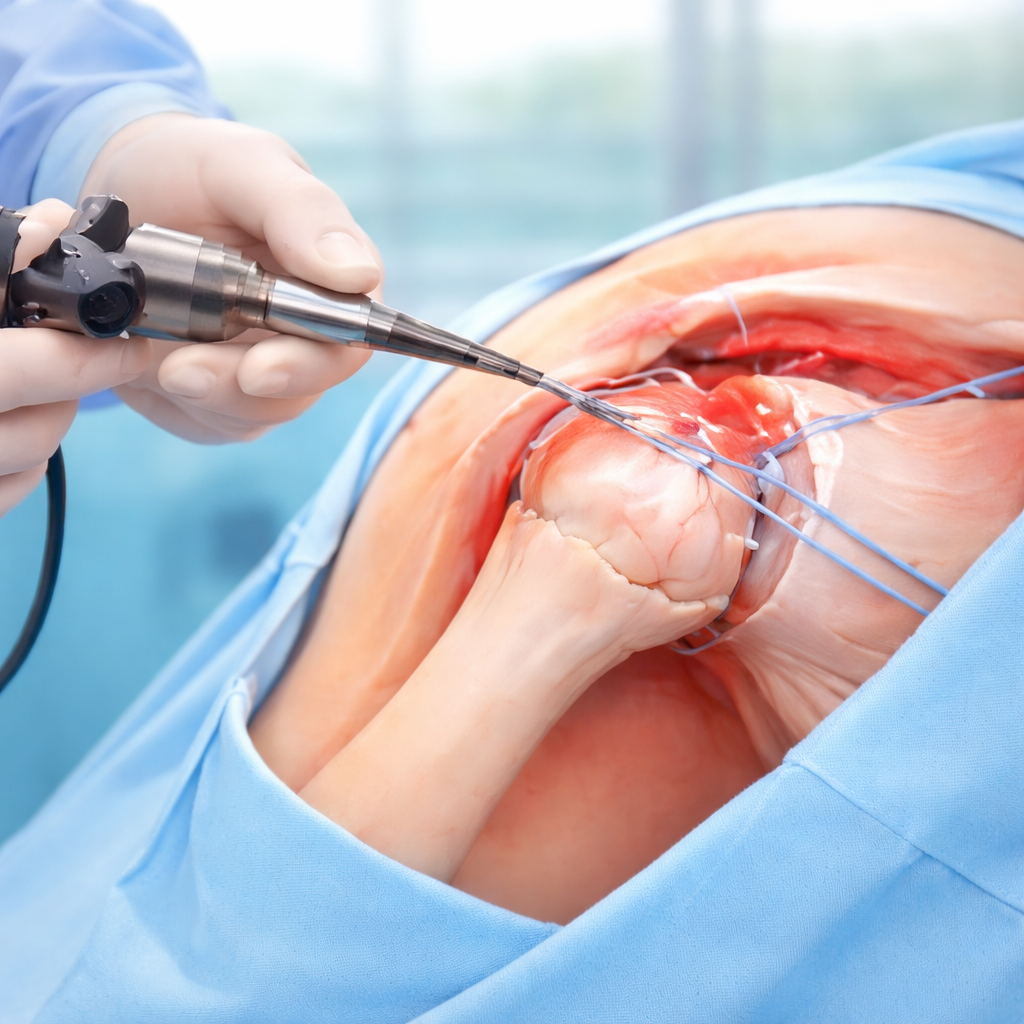
Shoulder arthroscopy is a minimally invasive surgical technique that uses a small camera (arthroscope) and tiny instruments to repair damaged tissues in the shoulder. It’s commonly used for:
Since it involves small incisions, the recovery time is usually faster compared to traditional surgery.
2. Shoulder Replacement Surgery
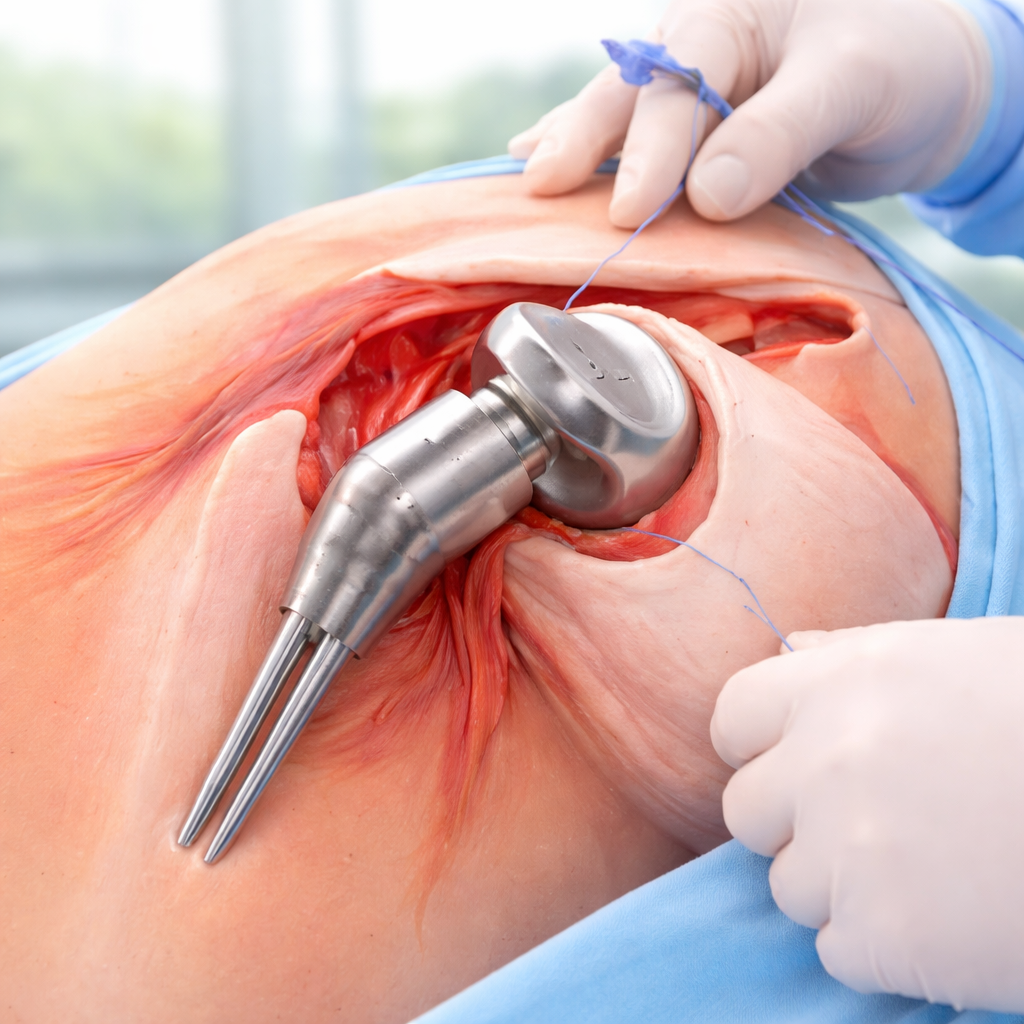
In shoulder replacement surgery, the damaged parts of the shoulder joint are removed and replaced with artificial components. This surgery is typically recommended for patients with severe arthritis or joint degeneration. There are two types of shoulder replacement surgeries:
- Total shoulder replacement: Replacing both the ball and socket of the shoulder joint.
- Partial shoulder replacement: Replacing only the ball or the socket, typically used in specific cases of arthritis or damage.
3. Rotator Cuff Repair
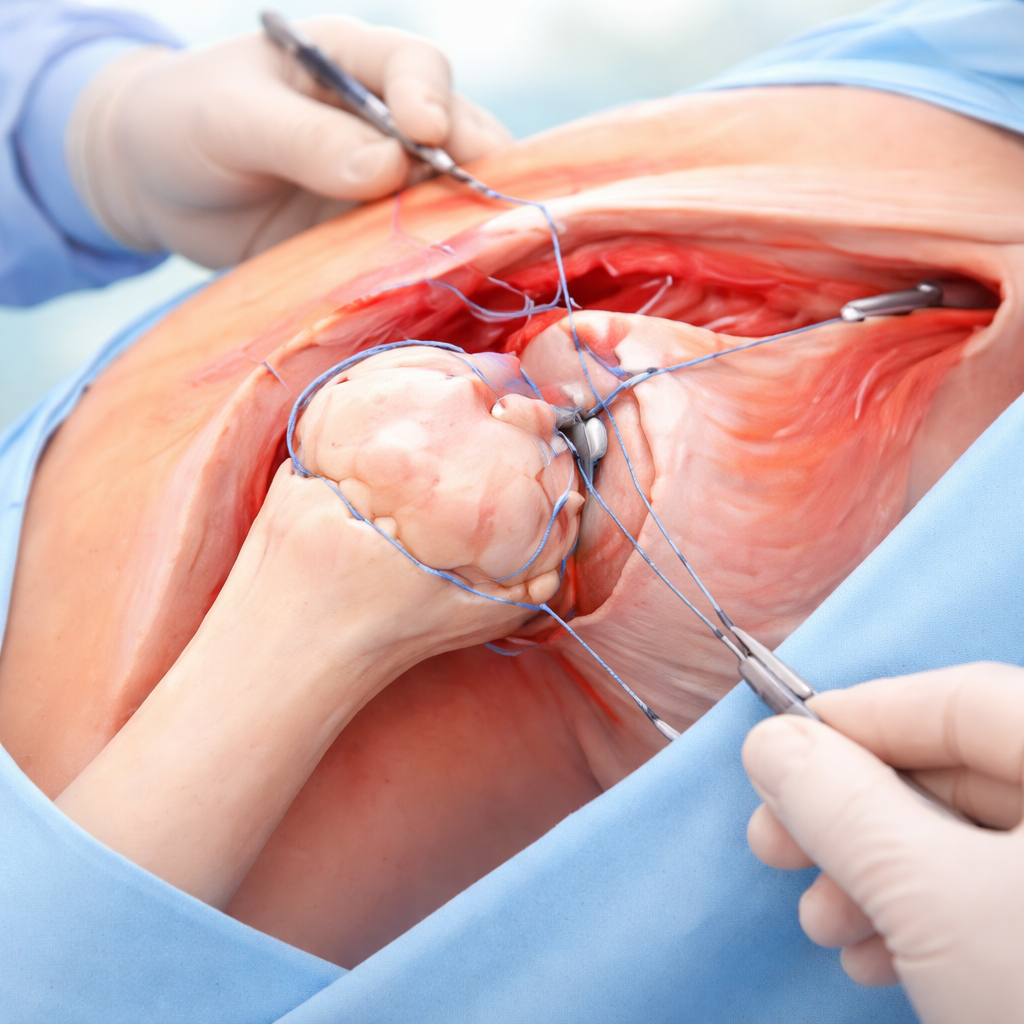
The rotator cuff is a group of muscles and tendons that stabilize the shoulder. If these tendons tear, it can cause severe pain and weakness. Rotator cuff surgery aims to repair these tears and restore strength to the shoulder. The surgery can be done either through arthroscopy or through open surgery, depending on the severity of the tear.
4. Labral Tear Repair
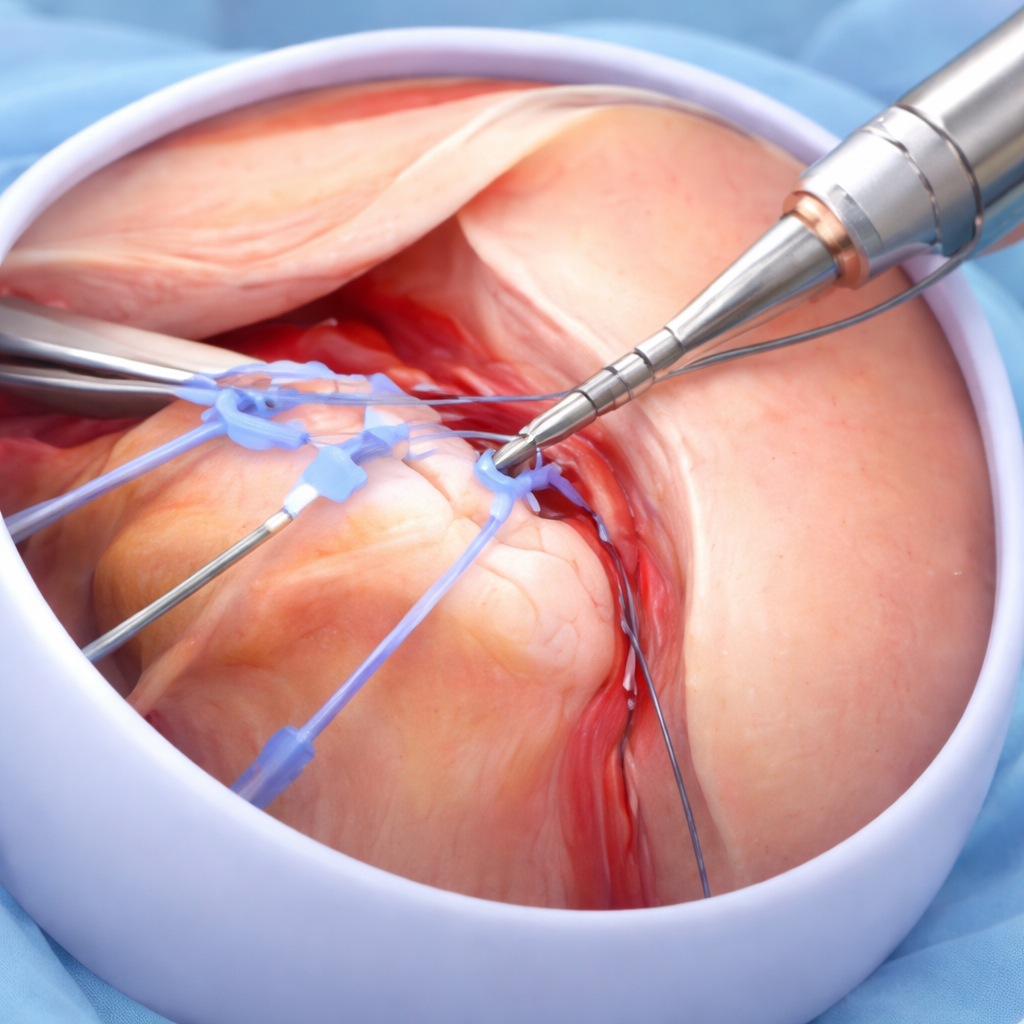
A labral tear occurs in the cartilage that stabilizes the shoulder joint. This type of injury is common in athletes and individuals who perform overhead activities. Surgery is required to repair or reattach the torn labrum, either through arthroscopy or open surgery.
When is Shoulder Surgery Necessary?
Shoulder surgery is typically considered when non-surgical treatments like physical therapy, medication, or injections no longer provide adequate relief. Some conditions that may require shoulder surgery include:
- Severe rotator cuff tears
- Chronic shoulder pain
- Shoulder arthritis that limits daily activities
- Shoulder instability or frequent dislocations
- Labral tears or cartilage damage
If you’ve exhausted non-invasive treatments and your shoulder condition is affecting your quality of life, surgery may be the best option to regain function and relieve pain.
What to Expect Before Shoulder Surgery
Before undergoing shoulder surgery, there are several key steps involved:

1. Consultation and Diagnosis
Your shoulder surgeon, such as Dr. Chintan Desai, will conduct a thorough evaluation, including a physical examination and imaging tests like X-rays or MRIs. This helps determine the extent of the injury and the best course of action.
2. Pre-Surgical Preparations
You will be given instructions on how to prepare for surgery. This may include fasting before the procedure, adjusting medications, and stopping smoking to promote better healing.
3. Choosing the Right Surgery
Based on your condition, your surgeon will discuss the appropriate surgery for your shoulder issue. Minimally invasive options like arthroscopy may be recommended for less severe issues, while more complex cases may require a shoulder replacement.
The Recovery Process After Shoulder Surgery
The recovery process can vary depending on the type of shoulder surgery performed. Here’s what you can expect during recovery:

1. Post-Surgery Care
- After surgery, you will be monitored in a recovery room for a few hours.
- You may be required to wear a sling to immobilize the shoulder during the initial stages of recovery.
- Pain management is an important part of the recovery process, and your surgeon will provide you with medication to manage discomfort.
2. Physical Therapy
Physical therapy plays a vital role in restoring mobility, strength, and flexibility to the shoulder. Most patients will start physical therapy a few weeks after surgery to improve range of motion and prevent stiffness.
3. Recovery Timeline
- Arthroscopy: Recovery typically takes 4-6 weeks. Most patients can return to light activities within this period.
- Shoulder Replacement: Recovery can take 6-12 months, with full recovery often requiring up to a year, depending on the type of surgery and individual health.
- Rotator Cuff and Labral Repair: Patients typically require 3-6 months for full recovery, with physical therapy being an essential part of the process.
Risks of Shoulder Surgery
Like any surgery, shoulder surgery carries risks. Some potential risks include:
- Infection: Infection at the surgical site can occur, though it is rare.
- Nerve or Blood Vessel Damage: Injury to nerves or blood vessels during surgery can occur, but it is uncommon with experienced surgeons.
- Stiffness or Weakness: After surgery, some patients may experience frozen shoulder (adhesive capsulitis) or weakness in the shoulder, which can be mitigated with physical therapy.
- Blood Clots: Though rare, blood clots can form after surgery, especially in the legs, so it’s important to follow all post-operative guidelines.
Is Shoulder Surgery Right for You?
If you’re dealing with chronic shoulder pain or an injury that limits your ability to function, shoulder surgery may be the best option. However, the decision to undergo surgery depends on several factors, including your overall health, the severity of your condition, and your goals for recovery.
Consult with Dr. Chintan Desai, a highly experienced shoulder surgeon in Mumbai, to determine if shoulder surgery is the right choice for you. His expertise in both minimally invasive arthroscopy and shoulder replacement surgery will help you make an informed decision about your treatment.
Conclusion
Shoulder surgery can be life-changing for individuals suffering from chronic shoulder pain or injury. While the procedure involves some risks, the benefits of pain relief, improved mobility, and a better quality of life often outweigh them. With the guidance of a skilled shoulder surgeon like Dr. Chintan Desai, you can confidently navigate the decision-making process and achieve a successful outcome.