Shoulder surgery is a major procedure aimed at alleviating chronic pain, repairing injuries, or restoring mobility. Whether you’ve had shoulder arthroscopy, rotator cuff repair, or shoulder replacement, understanding the recovery process is crucial for achieving the best results. In this guide, Dr. Chintan Desai, a renowned shoulder surgeon in Mumbai, explains what you can expect during your shoulder surgery recovery and how to speed up the healing process.
What to Expect During Shoulder Surgery Recovery
Recovery after shoulder surgery can vary depending on the type of surgery you undergo and your overall health. While every patient’s experience is unique, here’s a general timeline of what to expect:

1. Immediate Post-Surgery (Day 1 to Week 1)
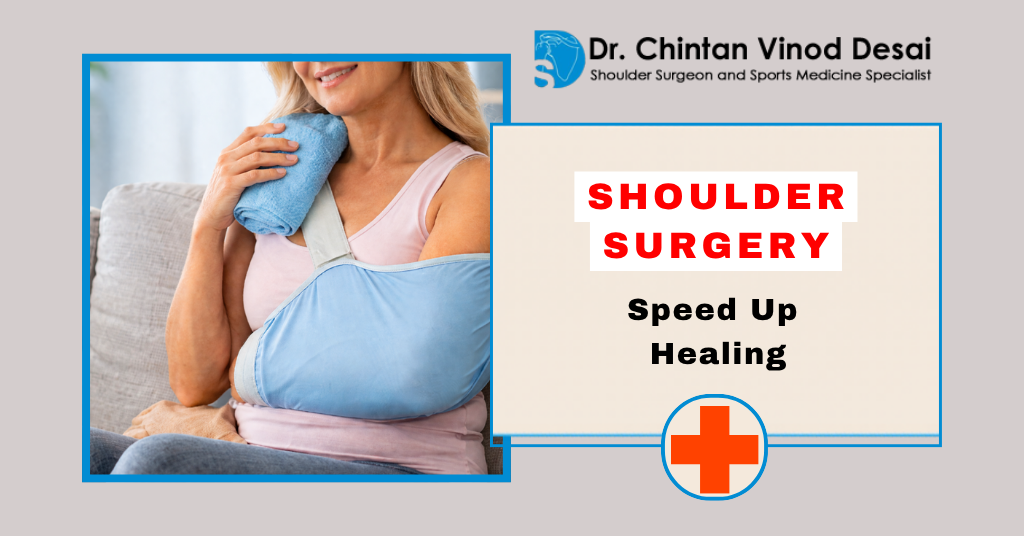
- Pain Management: After the surgery, it’s normal to experience some pain and discomfort. Your surgeon will prescribe pain medication to help you manage the pain. Ice packs can also be helpful to reduce swelling.
- Sling Use: Depending on the type of surgery, you may be required to wear a sling or shoulder immobilizer for the first 1-2 weeks. This helps keep your shoulder stable and allows for healing.
- Rest: Rest is critical during the first few days. Avoid any overhead movements or heavy lifting to prevent strain on your shoulder.
2. Early Recovery (Week 2 to Week 6)
- Physical Therapy: Your doctor will likely recommend physical therapy (PT) starting around 2-3 weeks post-surgery. The goal is to improve your shoulder’s range of motion and prevent stiffness. Early-stage exercises will be gentle and focused on mobility rather than strength.
- Sling-Free Period: Depending on your surgeon’s advice, you may be able to stop wearing the sling around the 2-3 week mark. However, you should avoid any strenuous activities or lifting until you receive full clearance from your surgeon.
- Swelling and Bruising: Swelling and bruising are common during the first few weeks. Elevating your arm, applying ice packs, and following post-surgery guidelines will help manage these issues.
3. Mid Recovery (Week 6 to Week 12)
- Strengthening Exercises: As your shoulder begins to heal, your physical therapist will introduce strengthening exercises to restore muscle strength and prevent muscle atrophy. This stage typically begins around 6 weeks after surgery, depending on the type of procedure you had.
- Increasing Activity: During this phase, you can gradually return to light activities, such as walking, driving, and simple household tasks. However, you should still avoid heavy lifting or any overhead movements that could strain your shoulder.
4. Full Recovery (3 Months to 1 Year)
- Return to Normal Activities: Full recovery after shoulder surgery can take anywhere from 3 months to 1 year, depending on the complexity of the surgery. For most people, the shoulder begins to feel much better in the first few months, but it may take up to a year for complete healing, especially for procedures like shoulder replacement.
- Advanced Strengthening: Your physical therapist will continue to help you regain strength and mobility as you approach full recovery. You may begin more advanced exercises designed to restore full function and support the shoulder in performing normal activities and sports.
How to Speed Up Shoulder Surgery Recovery
While the recovery process takes time, there are several things you can do to speed up healing and improve your overall recovery experience.

1. Follow Your Surgeon’s Instructions
Following your surgeon’s post-operative instructions is crucial for successful recovery. This includes:
- Taking prescribed medications as directed
- Wearing a sling or immobilizer as required
- Avoiding excessive shoulder movement during the early stages
- Attending all physical therapy sessions and exercises
2. Stay Active (Within Limits)
While you should avoid strenuous activities initially, staying active is important for maintaining overall health. Gentle walking or other low-impact activities can help improve circulation and prevent complications such as blood clots.
3. Prioritize Physical Therapy
Physical therapy plays a vital role in shoulder surgery recovery. Consistent therapy sessions will help you regain range of motion, strength, and stability. Be sure to follow through with at-home exercises as prescribed by your physical therapist to speed up your recovery.
4. Eat a Healthy, Balanced Diet
A well-balanced diet rich in vitamins and minerals is essential for the healing process. Foods high in protein, vitamin C, and omega-3 fatty acids can promote tissue repair, reduce inflammation, and support muscle recovery. Make sure to stay hydrated as well, as proper hydration supports overall recovery.
5. Rest and Recover
Rest is essential for healing. Make sure to get enough sleep and avoid overexerting yourself. Sleep is when your body does most of its healing, so ensure you’re resting adequately.
6. Manage Swelling and Bruising
Swelling is common after shoulder surgery. To manage this, use ice packs, keep your shoulder elevated when possible, and follow any additional recommendations your surgeon provides. Managing swelling early on can help reduce the risk of complications and promote faster healing.
7. Avoid Smoking and Alcohol
Smoking can slow down the healing process by restricting blood flow to the injured area. Alcohol can interfere with your body’s ability to heal, so it’s best to avoid both during the recovery period.
Conclusion
Recovery from shoulder surgery is a gradual process that requires time, patience, and commitment. By following your surgeon’s guidelines, attending physical therapy, and taking care of your overall health, you can speed up your recovery and get back to your regular activities more quickly.
Dr. Chintan Desai, a trusted shoulder surgeon in Mumbai, offers personalized care and guidance to ensure that your shoulder surgery recovery goes as smoothly as possible. If you’re considering shoulder surgery or need help with recovery, don’t hesitate to schedule a consultation.