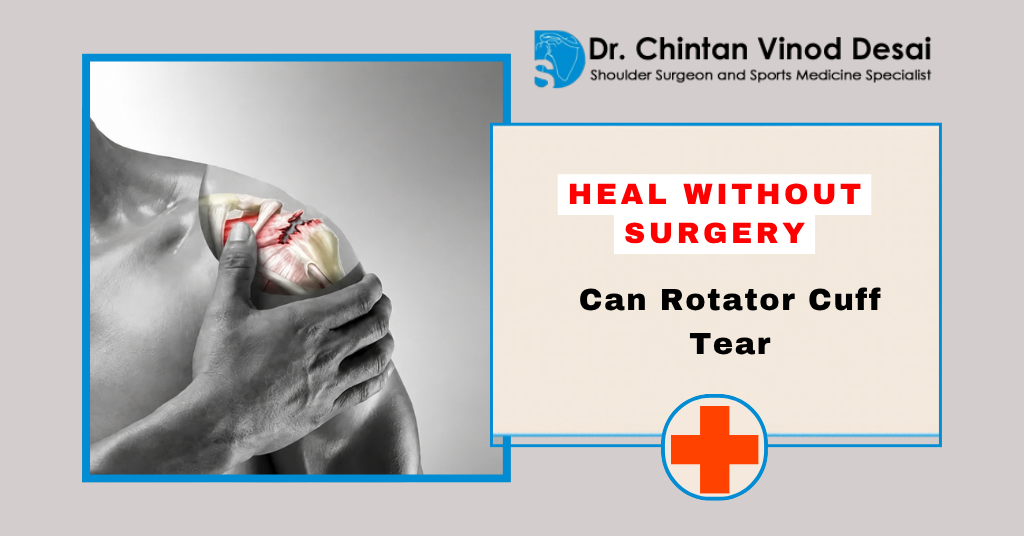
A rotator cuff tear is one of the most common causes of shoulder pain and weakness, especially in active adults and older individuals. Many patients wonder whether surgery is always necessary or if the condition can heal naturally without surgical intervention.
The answer depends on the type, size, and severity of the tear, along with the patient’s age, activity level, and symptoms. In many cases, especially partial tears, non-surgical treatment can significantly improve pain and shoulder function.
If you are experiencing shoulder pain, stiffness, or weakness, consulting an expert like Dr. Chintan Desai can help determine the right treatment approach for your condition.
Understanding Rotator Cuff Tears
The rotator cuff is a group of four muscles and tendons that stabilize the shoulder joint. A tear can occur due to:
- Sudden injury (fall or lifting heavy weight)
- Repetitive overhead movements
- Age-related wear and tear (degeneration)
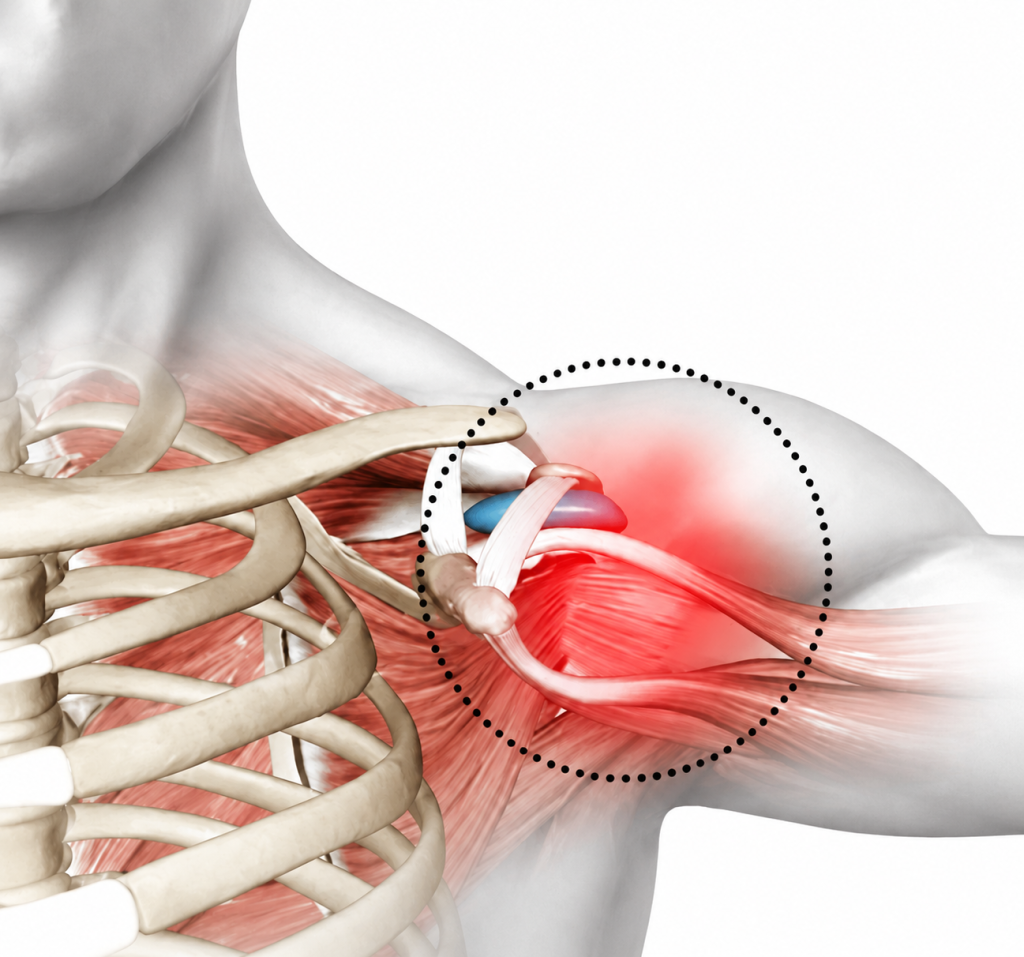
Types of Rotator Cuff Tears
- Partial tear: Tendon is damaged but not completely torn
- Full-thickness tear: Tendon is completely torn and separated from bone
Can a Rotator Cuff Tear Heal Without Surgery?
Yes, many rotator cuff tears can heal or improve without surgery, especially:
- Small or partial tears
- Degenerative tears in older patients
- Cases with manageable pain and no severe weakness
However, the tendon itself may not fully “regenerate,” but symptoms can improve significantly with proper treatment.
Non-Surgical Treatment Options

1. Rest and Activity Modification
Avoid overhead lifting and repetitive shoulder strain to prevent worsening of the injury.
2. Physiotherapy
A structured physiotherapy program is the most important non-surgical treatment. It helps:
- Strengthen surrounding shoulder muscles
- Improve range of motion
- Reduce pain and stiffness
3. Medications
- Pain relievers (NSAIDs)
- Anti-inflammatory drugs
- Muscle relaxants (if needed)
4. Steroid Injections
In some cases, corticosteroid injections help reduce inflammation and pain, allowing better participation in physiotherapy.
5. Cold/Heat Therapy
- Ice packs reduce inflammation
- Heat improves blood circulation and flexibility
When Surgery May Be Required
Surgery may be recommended if:
- Tear is large or full-thickness
- Severe weakness affects daily activities
- Pain persists after 6–12 weeks of treatment
- Patient is young and physically active
- There is progressive worsening of the tear
Common procedures include arthroscopic rotator cuff repair.
Factors That Affect Healing Without Surgery
- Age of the patient
- Size and location of tear
- Duration of symptoms
- Physical activity level
- Overall shoulder health
Early diagnosis improves chances of successful non-surgical recovery.
How Long Does Non-Surgical Recovery Take?
Recovery time varies:
- Mild cases: 4–6 weeks
- Moderate cases: 6–12 weeks
- Chronic cases: 3–6 months (with physiotherapy)
Consistency in rehabilitation is key to recovery.
Conclusion
A rotator cuff tear does not always require surgery. Many patients experience significant improvement with physiotherapy, medications, and lifestyle modification. However, severe tears may still need surgical repair for full recovery.
Consulting an experienced shoulder specialist like Dr. Chintan Desai can help you choose the right treatment plan based on your condition and lifestyle.
Early diagnosis and proper management are the best ways to avoid long-term shoulder problems.