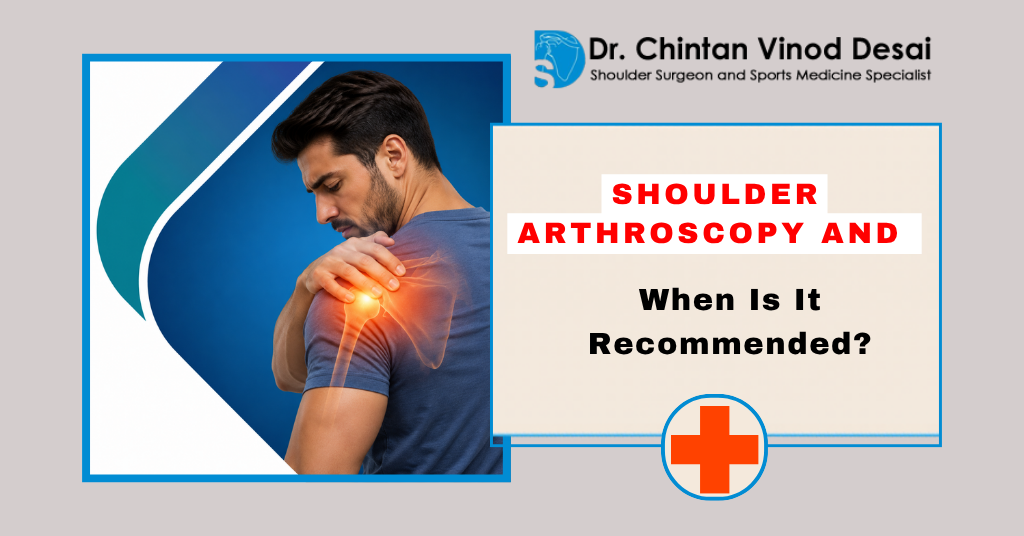
Shoulder pain, stiffness, and restricted movement can significantly affect your daily activities, especially when caused by injuries or conditions affecting the shoulder joint. When non-surgical treatments such as medications, physiotherapy, and injections do not provide relief, shoulder arthroscopy may be recommended as an effective treatment option.
Shoulder arthroscopy is a minimally invasive surgical procedure that allows surgeons to diagnose and treat various shoulder problems using a small camera and specialized instruments. Compared to traditional open surgery, it involves smaller incisions, reduced tissue damage, faster recovery, and less post-operative discomfort.
Dr. Chintan Desai, an experienced shoulder surgeon in Mumbai, explains how shoulder arthroscopy works, the conditions it treats, and when this procedure may be the right choice for patients experiencing persistent shoulder problems.
What Is Shoulder Arthroscopy?
Shoulder arthroscopy is a minimally invasive surgical procedure used to examine, diagnose, and treat problems inside the shoulder joint. During the procedure, a small camera called an arthroscope is inserted through tiny incisions around the shoulder.
The arthroscope provides a clear view of the internal structures of the shoulder, including:

- Rotator cuff tendons
- Shoulder ligaments
- Labrum
- Cartilage
- Joint lining
- Biceps tendon
Based on the findings, the surgeon uses specialized instruments through additional small incisions to repair or remove damaged tissues.
Unlike traditional open shoulder surgery, arthroscopy requires smaller cuts, which generally results in:
- Less pain after surgery
- Minimal scarring
- Reduced risk of infection
- Faster recovery
- Earlier return to daily activities
How Is Shoulder Arthroscopy Performed?
Shoulder arthroscopy is usually performed under general or regional anesthesia. The procedure involves the following steps:
1. Small Incisions Are Made
The surgeon creates small openings around the shoulder area to insert the arthroscope and surgical instruments.
2. Joint Examination
A camera attached to the arthroscope displays detailed images of the shoulder joint on a monitor, allowing the surgeon to identify the exact problem.
3. Treatment of the Condition
Depending on the diagnosis, the surgeon may:
- Repair torn tendons
- Remove damaged tissue
- Repair ligament injuries
- Treat cartilage damage
- Remove bone spurs
- Release tight tissues causing stiffness
4. Closing the Incisions
After completing the procedure, the instruments are removed, and the small incisions are closed.
Most patients can return home the same day or after a short hospital stay, depending on the complexity of the surgery.
When Is Shoulder Arthroscopy Recommended?
Shoulder arthroscopy is recommended when shoulder pain or movement problems do not improve with conservative treatments. Some common conditions treated with shoulder arthroscopy include:
1. Rotator Cuff Tears
The rotator cuff consists of muscles and tendons that help stabilize and move the shoulder. Tears caused by sports injuries, accidents, or age-related wear can lead to:
- Shoulder pain
- Weakness
- Difficulty lifting the arm
- Night pain
Arthroscopic rotator cuff repair helps restore tendon function and improve shoulder strength.
2. Shoulder Impingement Syndrome
Shoulder impingement occurs when tendons or soft tissues become compressed between the shoulder bones, causing pain during arm movement.
Shoulder arthroscopy can help by removing excess bone or inflamed tissue to create more space for tendon movement.
3. Labral Tears
The labrum is a cartilage structure that helps stabilize the shoulder joint. Injuries can cause:
- Shoulder instability
- Clicking or popping sounds
- Pain during movement
- Feeling that the shoulder may dislocate
Arthroscopic labral repair can restore shoulder stability and function.
4. Shoulder Instability and Recurrent Dislocations
Repeated shoulder dislocations may damage the supporting tissues of the joint. Arthroscopy can repair damaged ligaments and improve joint stability.
5. Frozen Shoulder
Frozen shoulder causes stiffness, pain, and limited shoulder movement. In severe cases where physiotherapy does not help, arthroscopic release may be performed to restore mobility.
6. Biceps Tendon Problems
Problems affecting the biceps tendon can cause pain at the front of the shoulder. Arthroscopy can help repair or treat damaged areas of the tendon.
Benefits of Shoulder Arthroscopy
Shoulder arthroscopy offers several advantages compared to traditional open surgery:
Minimally Invasive Procedure
Small incisions reduce muscle and tissue damage.
Faster Recovery
Patients generally recover quicker compared to open surgery.
Less Post-Surgical Pain
Smaller wounds often result in reduced discomfort after surgery.
Better Visualization
The arthroscope provides a magnified view of the shoulder joint, helping surgeons accurately diagnose and treat problems.
Lower Risk of Complications
The minimally invasive approach may reduce risks such as infection and excessive scarring.
Who Is a Good Candidate for Shoulder Arthroscopy?
You may be a suitable candidate for shoulder arthroscopy if you have:
- Persistent shoulder pain despite physiotherapy and medications
- Limited shoulder movement
- Repeated shoulder dislocations
- Rotator cuff injuries
- Sports-related shoulder injuries
- Shoulder damage confirmed through MRI or other imaging tests
However, the final decision depends on your shoulder condition, medical history, age, activity level, and overall health.
Recovery After Shoulder Arthroscopy
Recovery time after shoulder arthroscopy depends on the procedure performed. Generally:
First Few Days
- Mild pain and swelling may occur
- A shoulder sling may be recommended
- Pain medications may be prescribed
First Few Weeks
- Gentle exercises and physiotherapy begin
- Shoulder movement gradually improves
Few Months After Surgery
- Strength and mobility continue improving
- Most patients gradually return to normal activities
Following the rehabilitation plan provided by your surgeon is essential for achieving the best results.
Factors Affecting the Success of Shoulder Arthroscopy
Several factors influence recovery and outcomes, including:
- Type and severity of shoulder injury
- Patient’s age and overall health
- Timing of surgery
- Quality of post-surgery rehabilitation
- Following activity restrictions
Early diagnosis and appropriate treatment can improve the chances of successful recovery.
Shoulder Arthroscopy vs Open Shoulder Surgery
| Shoulder Arthroscopy | Open Shoulder Surgery |
| Small incisions | Larger incision |
| Less tissue damage | More tissue disruption |
| Faster recovery | Longer recovery period |
| Less post-operative pain | More discomfort |
| Reduced scarring | More visible scar |
Your shoulder surgeon will recommend the most suitable approach based on your specific condition.
Conclusion
Shoulder arthroscopy is an advanced minimally invasive procedure that helps diagnose and treat various shoulder conditions, including rotator cuff tears, labral injuries, instability, and frozen shoulder. It can provide pain relief, restore movement, and help patients return to their normal activities.
Dr. Chintan Desai, a trusted shoulder surgeon in Mumbai, specializes in advanced shoulder treatments and arthroscopic procedures. If you are experiencing persistent shoulder pain or have been advised to consider surgery, consult an experienced specialist to understand whether shoulder arthroscopy is the right treatment option for you.