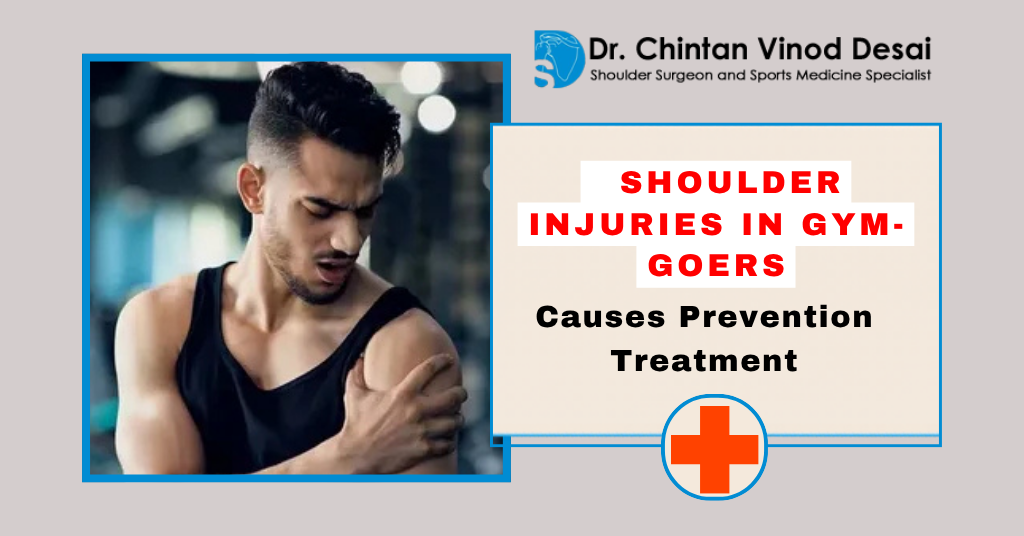
Regular exercise and strength training are excellent for improving fitness, muscle strength, and overall health. However, improper techniques, excessive weight lifting, and overtraining can put significant stress on the shoulder joint, leading to injuries.
The shoulder is one of the most flexible joints in the body, but this mobility also makes it vulnerable to strain and damage. Gym-goers commonly experience shoulder pain due to rotator cuff injuries, impingement, muscle strains, and instability.
Dr. Chintan Desai, a leading shoulder specialist in Mumbai, explains the common shoulder injuries seen in gym enthusiasts, their causes, prevention strategies, and available treatment options.
Why Are Gym-Goers Prone to Shoulder Injuries?
The shoulder joint allows a wide range of movements, including lifting, pushing, and pulling. During gym workouts, exercises like bench presses, shoulder presses, and weightlifting place repeated stress on the shoulder structures.
Common reasons for shoulder injuries include:
🏋️ Lifting heavy weights without proper technique
🏋️ Sudden increase in workout intensity
🏋️ Poor posture during exercises
🏋️ Insufficient warm-up
🏋️ Overtraining without adequate recovery
🏋️ Muscle imbalance around the shoulder joint

Ignoring early signs of pain can turn a minor problem into a serious shoulder condition.
Common Shoulder Injuries in Gym-Goers
1. Rotator Cuff Injuries
The rotator cuff is a group of muscles and tendons that stabilize the shoulder and help with arm movement.
Heavy lifting and repetitive overhead exercises can overload these tendons, leading to inflammation or tears.
Common Causes:
✔️ Heavy shoulder presses
✔️ Incorrect lifting technique
✔️ Repetitive overhead movements
✔️ Training without proper rest
Symptoms:
⚠️ Shoulder pain while lifting weights
⚠️ Weakness in the arm
⚠️ Difficulty raising the arm
⚠️ Pain while sleeping on the affected side
Treatment:
Depending on severity, treatment may include:
- Rest and activity modification
- Physiotherapy
- Shoulder strengthening exercises
- Anti-inflammatory medication
- Arthroscopic rotator cuff repair for severe tears
2. Shoulder Impingement Syndrome
Shoulder impingement occurs when the tendons of the rotator cuff become compressed during shoulder movements.
It is commonly seen in people performing repetitive overhead exercises.
Exercises that may contribute:
🏋️ Shoulder presses
🏋️ Overhead lifting
🏋️ Upright rows
🏋️ Improper bench press technique
Symptoms:
✔️ Pain while lifting the arm
✔️ Shoulder stiffness
✔️ Reduced range of motion
✔️ Weakness during workouts
Treatment:
Treatment options include:
- Physiotherapy to improve shoulder mechanics
- Strengthening exercises
- Correcting exercise technique
- Medication or injections in selected cases
- Arthroscopic treatment if symptoms persist
3. Shoulder Labral Tears
The labrum is a cartilage structure that helps stabilize the shoulder joint.
A tear can occur due to heavy lifting, sudden movements, or repeated stress.
Causes in Gym-Goers:
✔️ Heavy bench pressing
✔️ Falling while lifting weights
✔️ Sudden pulling movements
✔️ Shoulder instability
Symptoms:
⚠️ Clicking or popping sounds
⚠️ Deep shoulder pain
⚠️ Feeling of shoulder weakness
⚠️ Shoulder instability
Diagnosis:
A shoulder specialist may recommend:
- Physical examination
- X-rays
- MRI scan
- MR arthrogram for detailed evaluation
Treatment:
Minor tears may improve with:
✔️ Rest
✔️ Physiotherapy
✔️ Activity modification
Persistent injuries may require:
Shoulder arthroscopy and labral repair to restore stability.
4. Shoulder Muscle Strains
Muscle strains occur when shoulder muscles are overstretched or injured during exercise.
They commonly happen due to:
- Lifting beyond your capacity
- Poor warm-up
- Sudden intense workouts
- Incorrect form
Symptoms:
✔️ Muscle soreness
✔️ Pain during movement
✔️ Swelling
✔️ Reduced strength
Treatment:
Most mild strains improve with:
- Rest
- Ice therapy
- Stretching exercises
- Physiotherapy
5. Biceps Tendon Injuries
The biceps tendon connects the biceps muscle to the shoulder joint. Heavy lifting can irritate or damage this tendon.
Common Causes:
🏋️ Heavy curls
🏋️ Repetitive pulling exercises
🏋️ Poor lifting technique
Symptoms:
⚠️ Pain in the front of the shoulder
⚠️ Clicking sensation
⚠️ Weakness during lifting
⚠️ Discomfort after workouts
Treatment may include:
✔️ Rest
✔️ Physiotherapy
✔️ Strengthening exercises
✔️ Surgical treatment in severe cases
6. Shoulder Instability
Shoulder instability occurs when the shoulder joint becomes loose and does not stay properly aligned.
It may develop due to:
- Previous shoulder injuries
- Improper lifting techniques
- Repeated stress on the joint
Symptoms:
✔️ Feeling that the shoulder is slipping
✔️ Repeated dislocations
✔️ Weakness during exercises
✔️ Lack of confidence while lifting
Treatment depends on severity and may include rehabilitation or stabilization surgery.
How Are Gym-Related Shoulder Injuries Diagnosed?
Accurate diagnosis is important to identify the exact cause of shoulder pain.
Dr. Chintan Desai may perform:
1. Physical Examination
Evaluation includes:
- Shoulder movement assessment
- Strength testing
- Joint stability examination
- Pain evaluation
2. Imaging Tests
X-Ray
Helps detect bone-related problems.
MRI Scan
Provides detailed images of:
- Rotator cuff tendons
- Labrum
- Ligaments
- Soft tissues
Ultrasound
May help assess tendon-related conditions.
Treatment Options for Shoulder Injuries in Gym-Goers
Treatment depends on:
✔️ Type of injury
✔️ Severity of damage
✔️ Fitness goals
✔️ Response to initial treatment
Non-Surgical Treatment
Most shoulder injuries can initially be managed without surgery.
Physiotherapy
A customized rehabilitation program helps:
✔️ Improve shoulder strength
✔️ Restore flexibility
✔️ Correct movement patterns
✔️ Prevent future injuries
Activity Modification
Temporary changes in workout routine allow the shoulder to recover.
Medications and Injections
May be recommended to manage pain and inflammation in selected cases.
Surgical Treatment for Shoulder Injuries
Surgery may be required when:
- Pain continues despite conservative treatment
- There is a major tendon tear
- Shoulder instability affects daily activities
- The injury prevents exercise or sports participation
Shoulder Arthroscopy
A minimally invasive procedure used for:
✔️ Rotator cuff repair
✔️ Labral repair
✔️ Removal of damaged tissue
✔️ Shoulder stabilization
Benefits include:
✅ Smaller incisions
✅ Less tissue damage
✅ Faster recovery
✅ Better cosmetic results
Prevention Tips to Avoid Shoulder Injuries in the Gym
Gym-related shoulder injuries can often be prevented by following proper techniques.
1. Warm Up Properly
Before lifting weights:
✔️ Perform mobility exercises
✔️ Activate shoulder muscles
✔️ Gradually increase intensity
2. Use Correct Exercise Technique
Avoid:
❌ Lifting weights beyond your ability
❌ Incorrect shoulder positioning
❌ Jerky movements
Focus on controlled movements with proper form.
3. Strengthen Shoulder Support Muscles
Include exercises that improve:
✔️ Rotator cuff strength
✔️ Shoulder stability
✔️ Upper back strength
4. Avoid Overtraining
Give your muscles enough time to recover.
Rest and recovery are essential for preventing injuries.
When Should You Consult a Shoulder Specialist?
Seek medical advice if you experience:
⚠️ Shoulder pain lasting more than a few weeks
⚠️ Pain affecting your workouts
⚠️ Weakness while lifting weights
⚠️ Clicking or locking sensation
⚠️ Repeated shoulder instability
⚠️ Difficulty performing daily activities
Early treatment can prevent worsening of shoulder problems.
Why Choose Dr. Chintan Desai for Shoulder Injury Treatment?
Dr. Chintan Desai is an experienced shoulder surgeon in Mumbai specializing in diagnosis and treatment of various shoulder conditions.
His expertise includes:
✔️ Shoulder arthroscopy
✔️ Rotator cuff repair
✔️ Labral tear treatment
✔️ Sports-related shoulder injuries
✔️ Shoulder instability treatment
✔️ Shoulder rehabilitation
With advanced techniques and a patient-focused approach, he helps individuals return to pain-free movement and active lifestyles.
Conclusion
Shoulder injuries are common among gym-goers due to repetitive movements, heavy lifting, and improper exercise techniques. Recognizing symptoms early and seeking expert guidance can help prevent long-term shoulder problems.
With the right combination of prevention, rehabilitation, and advanced treatment options, most shoulder injuries can be successfully managed.
Consult Dr. Chintan Desai for expert evaluation and personalized treatment for gym-related shoulder injuries.