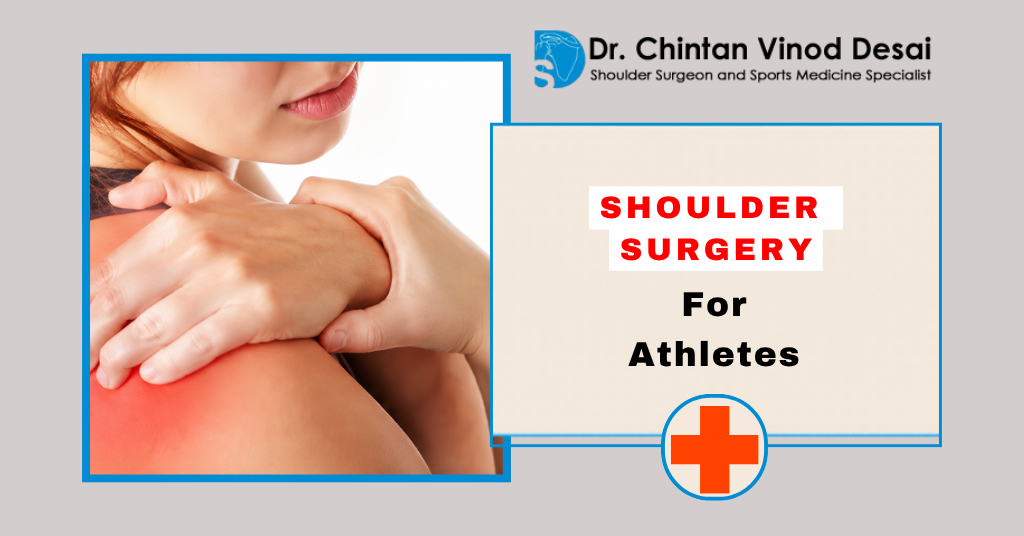
For athletes, shoulder injuries can be a major setback, affecting performance and limiting participation in sports. Whether you’ve torn your rotator cuff, damaged your labrum, or experienced shoulder dislocation, shoulder surgery can often provide the relief and repair necessary to return to the sports you love. However, getting back to full athletic performance after surgery requires careful planning, commitment, and rehabilitation.
In this blog, Dr. Chintan Desai, a leading shoulder surgeon in Mumbai, explains the process of shoulder surgery for athletes and offers tips for a successful return to sports after surgery.
Common Shoulder Injuries in Athletes
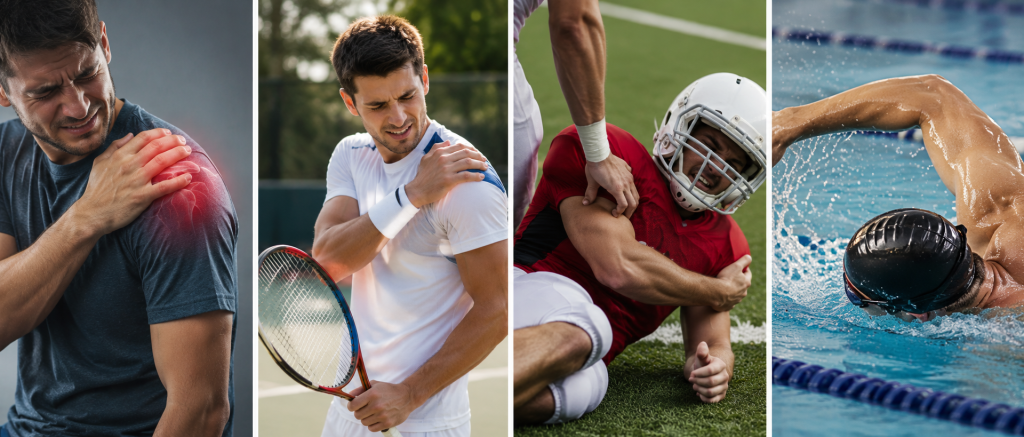
Athletes are particularly prone to shoulder injuries due to repetitive overhead movements, contact sports, or high-intensity training. Some common shoulder injuries in athletes include:
1. Rotator Cuff Tears
The rotator cuff is a group of muscles and tendons that stabilize the shoulder joint. Rotator cuff tears are common in athletes who engage in overhead sports like tennis, baseball, and swimming. A torn rotator cuff can cause pain, weakness, and limited shoulder movement.
2. Labral Tears
The labrum is a piece of cartilage that helps stabilize the shoulder joint. Labral tears are common in sports like football, hockey, and basketball, particularly from repetitive throwing or overhead movements. A torn labrum can cause pain, instability, and weakness in the shoulder.
3. Shoulder Dislocations
Athletes in contact sports or high-impact activities are often at risk of shoulder dislocations. Dislocations can damage the ligaments, labrum, and tendons around the shoulder joint, making it prone to future dislocations if not properly treated.
4. Shoulder Impingement
Shoulder impingement occurs when the rotator cuff tendons become compressed between the shoulder bones, causing inflammation and pain. It is commonly seen in athletes who perform repetitive overhead movements, such as swimmers, volleyball players, and weightlifters.
How Shoulder Surgery Can Help Athletes
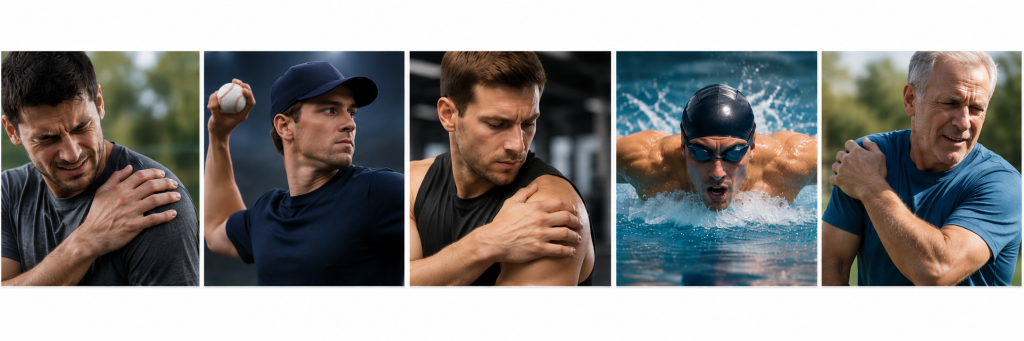
Shoulder surgery can be an effective solution for athletes who have not responded to physical therapy or non-surgical treatments like injections and rest. Depending on the injury, here are some common surgeries that can help athletes:
1. Rotator Cuff Repair
Rotator cuff surgery is commonly recommended for athletes with torn tendons. This can be performed through arthroscopy, a minimally invasive technique, or open surgery for more complex tears. The goal is to reattach the torn tendons to the bone, allowing the shoulder to regain strength and function.
2. Labral Tear Surgery
Labral tears, especially in throwing athletes, may require arthroscopic surgery to repair or reattach the labrum. In some cases, biceps tendon repair may also be needed if the biceps tendon is attached to the labrum.
3. Shoulder Stabilization Surgery
For athletes who have experienced recurrent shoulder dislocations, shoulder stabilization surgery may be necessary. This surgery repairs and tightens the ligaments and labrum around the shoulder joint to prevent further dislocations.
4. Subacromial Decompression (Shoulder Impingement Surgery)
If shoulder impingement is causing pain and limiting movement, subacromial decompression surgery can be performed. The surgeon removes bone spurs or damaged tissue to increase the space around the rotator cuff tendons, reducing compression and inflammation.
5. Shoulder Replacement Surgery
In cases of severe shoulder arthritis or irreparable damage to the joint, shoulder replacement surgery (either total or partial) may be necessary. This involves replacing the damaged shoulder joint with an artificial prosthesis, providing long-term pain relief and improved mobility.
Steps to Get Back to Sports After Shoulder Surgery
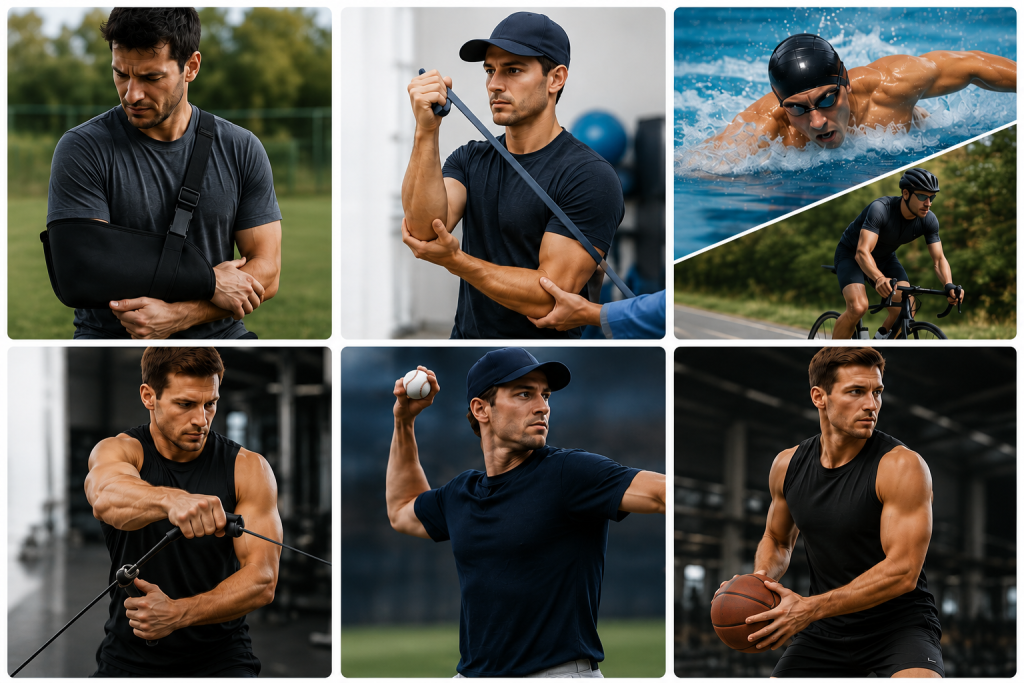
Recovering from shoulder surgery and returning to sports involves a well-planned rehabilitation process. Athletes should follow these steps to ensure a smooth recovery and return to full activity:
1. Follow Post-Surgery Instructions
After surgery, it’s essential to follow your surgeon’s instructions carefully. This includes wearing a sling if necessary, taking medications for pain management, and keeping the shoulder immobilized during the early recovery phase. Adhering to these instructions is crucial to avoid re-injury.
2. Start Physical Therapy Early
Physical therapy (PT) is vital for shoulder recovery. In the first few weeks, passive range-of-motion exercises are typically introduced to prevent stiffness and increase flexibility. As healing progresses, strengthening exercises will be added to rebuild muscle strength around the shoulder.
3. Gradual Increase in Activity
Returning to sports should be done gradually. After shoulder surgery, athletes should start with light activities, such as swimming or biking, before progressing to more demanding movements. This helps to assess how the shoulder responds to activity and prevents overuse.
4. Work on Strength and Stability
Building strength and shoulder stability is crucial for athletes returning to their sport. A strong shoulder is better equipped to withstand the physical demands of sports. Strengthening exercises will focus on the rotator cuff, scapular muscles, and shoulder blade muscles to provide support and prevent re-injury.
5. Sport-Specific Training
Once you’ve regained strength and mobility, it’s time to begin sport-specific training. This phase involves mimicking the movements required in your sport, whether it’s throwing, swimming, lifting, or serving. This training should be done under the guidance of your physical therapist or coach to ensure proper technique and safety.
6. Gradual Return to Full Activity
It’s essential not to rush back into competitive sports. You should gradually increase your intensity and ensure your shoulder can handle the demands of your sport. Patience is key to avoid reinjury.
Tips for a Successful Recovery and Return to Sports
- Commit to Rehabilitation: Consistency in attending physical therapy and doing at-home exercises is crucial for a successful recovery. A dedicated rehabilitation process can reduce the risk of re-injury.
- Maintain a Healthy Diet: A balanced diet rich in protein, vitamins, and minerals can speed up healing. Omega-3 fatty acids and antioxidants can reduce inflammation and support tissue repair.
- Get Enough Sleep: Sleep is essential for healing. Aim for 7-9 hours of quality sleep to support tissue recovery and muscle growth.
- Listen to Your Body: Pay attention to any signs of discomfort or pain during your recovery process. Pushing through pain can cause setbacks and prolong your return to sports.
- Work with a Sports-Specific Therapist: A therapist with experience in sports rehabilitation can provide exercises tailored to the movements required in your specific sport.
Conclusion
Shoulder surgery for athletes can successfully repair injuries, restore function, and get you back to your sport. However, returning to peak performance requires a comprehensive rehabilitation program and patience. By following the right steps, including physical therapy, strength training, and gradual return to activity, athletes can ensure a successful recovery.
If you’ve experienced a shoulder injury and are considering surgery, consult Dr. Chintan Desai, a trusted shoulder surgeon in Mumbai, who specializes in treating athletes and can help guide you through the recovery process.