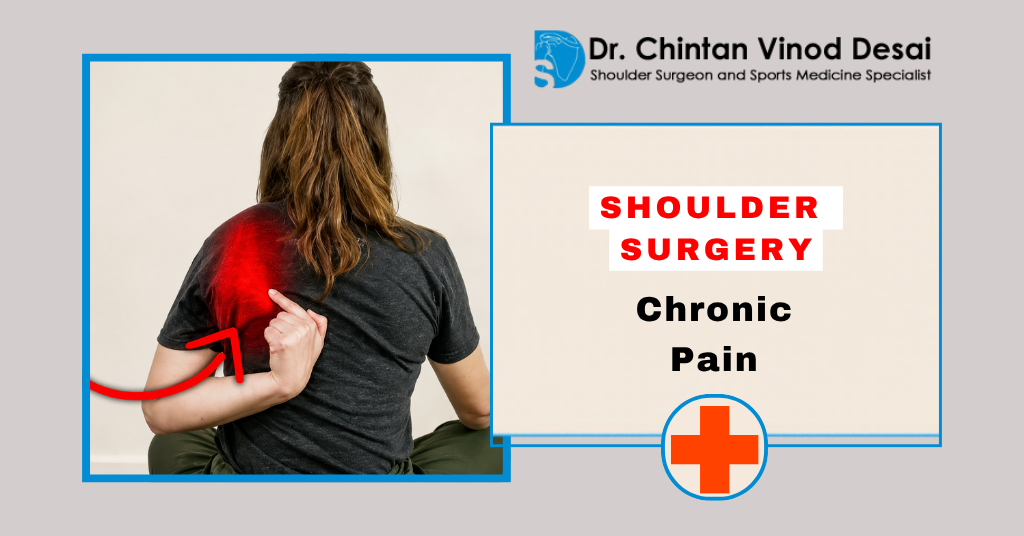
Chronic shoulder pain can be debilitating, limiting your ability to perform daily tasks and enjoy activities. If you’ve been suffering from persistent shoulder pain due to conditions like rotator cuff tears, arthritis, or shoulder impingement, you may be wondering if shoulder surgery can provide the relief you need.
In this blog, Dr. Chintan Desai, a leading shoulder surgeon in Mumbai, explains whether shoulder surgery can fix chronic shoulder pain, the types of conditions that can be treated with surgery, and what you need to know before considering surgical intervention.
Understanding Chronic Shoulder Pain
Chronic shoulder pain is defined as pain that lasts for more than 3-6 months. It can arise from various conditions, including:
- Rotator cuff tears: A tear in the tendons that stabilize the shoulder.
- Shoulder arthritis: Degeneration of the shoulder joint due to wear and tear.
- Shoulder impingement: Compression of the rotator cuff tendons or bursa between the bones of the shoulder joint.
- Frozen shoulder (adhesive capsulitis): Severe stiffness and pain in the shoulder joint.
- Labral tears: Damage to the cartilage that helps stabilize the shoulder socket.
If these conditions cause persistent pain that interferes with daily activities and non-surgical treatments (like physical therapy, medication, or injections) haven’t been effective, shoulder surgery may be necessary to fix the problem and provide relief.
Can Shoulder Surgery Fix Chronic Shoulder Pain?
Yes, shoulder surgery can often fix chronic shoulder pain, depending on the underlying cause of the pain. The success of the surgery depends on several factors, including the type of injury, the severity of the condition, and the patient’s overall health. Here are the types of shoulder surgeries that can help alleviate chronic shoulder pain:
1. Rotator Cuff Repair Surgery
A rotator cuff tear is one of the most common causes of chronic shoulder pain. The rotator cuff is a group of tendons and muscles that stabilize the shoulder joint. When one or more tendons tear, it can cause significant pain, weakness, and limited motion in the shoulder.
Surgery for Rotator Cuff Tears:
- Arthroscopic surgery: In most cases, rotator cuff repair can be done using minimally invasive arthroscopic techniques. Small incisions are made to insert a camera (arthroscope) to visualize the tear and repair the tendons.
- Open surgery: In more severe cases, open surgery may be required to reattach the torn tendon to the bone.
Most patients experience significant pain relief and improvement in shoulder function following rotator cuff surgery, allowing them to return to their daily activities.
2. Shoulder Replacement Surgery
For individuals with shoulder arthritis or joint degeneration, shoulder replacement surgery may be necessary to fix chronic pain. In this procedure, the damaged portions of the shoulder joint are removed and replaced with artificial components. There are two main types of shoulder replacement surgeries:
- Total shoulder replacement: The entire ball (humeral head) and socket (glenoid) of the shoulder joint are replaced with prosthetic components.
- Reverse shoulder replacement: This procedure is typically used when the rotator cuff is severely damaged, and the normal anatomy of the shoulder is not functional.
Shoulder replacement provides significant pain relief for people with severe arthritis or joint degeneration, allowing for improved mobility and quality of life.
3. Arthroscopic Subacromial Decompression
Shoulder impingement syndrome occurs when the tendons of the rotator cuff become compressed between the bones of the shoulder joint, leading to chronic pain. This can happen due to bone spurs or a narrowing of the space between the bones.
Surgery for Shoulder Impingement:
- Arthroscopic subacromial decompression is a minimally invasive procedure in which the surgeon removes bone spurs or damaged tissue to increase the space around the tendons and reduce compression. This surgery often provides long-term relief from chronic pain caused by impingement.
4. Labral Tear Repair Surgery
The labrum is a piece of cartilage that helps stabilize the shoulder joint. A labral tear can cause shoulder instability, pain, and weakness. If the tear is severe, it may lead to chronic pain that does not improve with physical therapy or other non-surgical treatments.
Surgery for Labral Tears:
- Arthroscopic surgery is used to repair the torn labrum by reattaching the cartilage to the shoulder socket or trimming away damaged tissue.
- In some cases, biceps tendon repair may also be necessary, especially if the biceps tendon is attached to the labrum and is causing additional pain.
5. Frozen Shoulder (Adhesive Capsulitis) Surgery
Frozen shoulder occurs when the capsule surrounding the shoulder joint becomes stiff, leading to pain and a limited range of motion. While physical therapy is usually the first line of treatment, in severe cases, surgery may be necessary to release the capsule and restore mobility.
Surgery for Frozen Shoulder:
- Capsular release surgery involves cutting the thickened, scarred tissue around the shoulder joint to release the stiffness and improve range of motion.
- Manipulation under anesthesia may also be performed, where the shoulder is gently moved while the patient is under anesthesia to break up adhesions in the joint capsule.
When Should You Consider Shoulder Surgery?
Shoulder surgery is generally recommended when:
- Conservative treatments like physical therapy, medications, and injections haven’t provided relief after several months.
- Chronic pain significantly affects your daily activities or quality of life.
- You experience weakness or instability that prevents you from lifting or using your arm effectively.
- You have a severe shoulder injury or degeneration (like arthritis) that requires more than just conservative treatment.
If you’ve been dealing with chronic shoulder pain, it’s essential to consult with a qualified shoulder surgeon like Dr. Chintan Desai. He can help determine the underlying cause of your pain and recommend the best course of action for relief, including whether surgery is the right option for you.
Conclusion
Shoulder surgery can often fix chronic shoulder pain caused by injuries or conditions like rotator cuff tears, shoulder arthritis, or labral tears. If conservative treatments have failed to provide adequate relief, surgery may offer the pain relief and improved mobility you need to return to your normal activities.
Dr. Chintan Desai, a trusted shoulder surgeon in Mumbai, specializes in diagnosing and treating chronic shoulder pain. If you’re ready to take the next step toward recovery, schedule a consultation to discuss your options and get expert advice.